
Soccer at age 7 is all about getting kids moving, laughing, and falling in love with the game.
At this stage, it’s less about learning tactics or racking up wins, and a lot more about building confidence, getting comfortable with the ball, and just flat out having fun.
I’ve had plenty of experiences coaching and helping out at this age, and I’ve learned a well-structured, fun session does wonders for every young player.
Parents, grassroots coaches, and anyone running a local school or academy team—this guide aims to give you easy, practical ways to build enjoyable soccer sessions that work for all skill levels.
Why Age 7 Is Pivotal for Soccer Growth
Seven-year-olds are right in the sweet spot for early soccer development.
Physically, they’re coordinated enough to try out basic footwork and control, but still have the kind of silliness and unpredictability that can make every session an adventure.
Emotional maturity varies a lot, but most are excited about group games, praise from adults, and a sense of togetherness rather than competition.
Providing encouragement, not pressure, is what helps at this stage.
Kids learn best here through simple exposure to all the core soccer skills: dribbling, passing, shooting, and spatial awareness.
Forget heavy tactics or structured formations. Instead, activities should keep everyone active and feeling included.
With the right mix of games, even kids who’ve never played can develop confidence quickly.
For broader ideas on how to handle different ages, check out Youth Soccer Drills: The Complete Guide for Coaches and Parents.
How 7-Year-Olds Learn Soccer Skills
I’ve found that coaching seven-year-olds means being ready to ride a pretty nonstop energy rollercoaster.
Kids at this age are always moving, always chatting, and their attention spans are short.
That’s why I like to switch up drills every 10 minutes or so, using games with clear goals and simple rules.
- Short attention = short activities: Limit talking to quick instructions; show rather than tell.
- Games and imagination: Turn drills into stories (adventures, animals, pirates) to keep things fresh.
- Repetition disguised as fun: Kids master the basics by repeating them, but the fun theme makes it feel new each time.
- Visual cues: Demonstrate every activity so kids have something to copy; words alone don’t stick.
Positive feedback makes a bigger impact than correction. I focus on what a kid does well; any successful dribble, pass, or enthusiastic effort deserves a shout-out.
That encouragement keeps motivation high, especially for kids who are still building basic skills.
Key Coaching Principles for 7 Year Old Soccer Drills
- Keep instructions short and lively: Aim for under 20 seconds, then get going. Kids catch on faster when they learn by doing, not listening.
- Touch time is huge: Every child should have a ball as much as possible. Drills that keep everyone touching and kicking work best.
- Avoid lines and waiting: If they’re standing still, they’re zoning out. Use stations, partner activities, or multiple smallsided games.
- Embrace mistakes and creativity: Let kids try moves, even if they trip up. The best learning at this age comes from experimenting.
- Rotate roles and positions: No one is the “defender” or “striker” at this age. Let everyone try every position throughout the session.
Warm-Up Games for 7 Year Olds
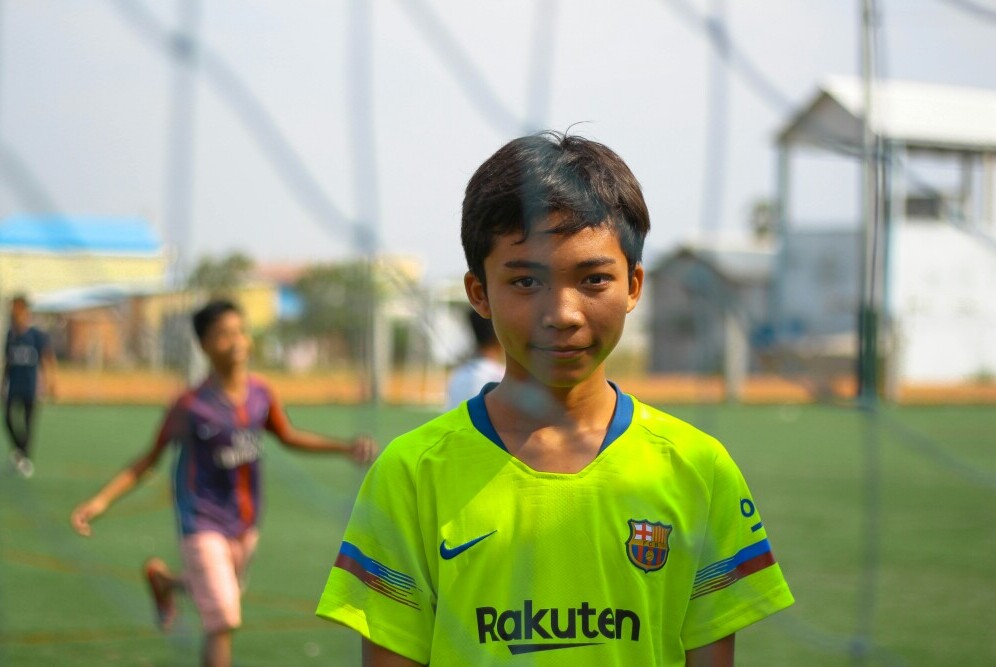
Warm-ups shouldn’t feel like work. I always go for active games that get kids loose, laughing, and moving in all directions. No need for formal stretching at this age; fun movement is what preps their bodies and minds.
- Traffic Lights Game: Kids dribble their soccer ball, stopping on “red,” moving slowly on “yellow,” and speeding up on “green.” Mix in silly commands, like “purple means dance!” for a good laugh.
- Animal Movements with the Ball: Dribble like different animals: tiny penguin steps, big kangaroo hops, slithering like a snake. Builds coordination and lets their imaginations run wild.
- Freeze Tag (with a ball): Pick 1–2 taggers. If tagged, players freeze with their ball at their feet; teammates can unfreeze them with a high five or quick pass.
A warm-up that looks like play will set the right tone for the rest of practice.
Fun Dribbling Drills for 7 Year Olds
Dribbling is a key skill to introduce early and keep building. These games are all about getting comfortable moving the ball in lots of different ways, making mistakes, and having a blast doing it.
- Sharks and Minnows: Everyone (the minnows) tries to dribble their ball from one side of a field to the other while 1–2 “sharks” in the middle attempt to tag or steal balls. Those caught become sharks.
- Red Light, Green Light Dribbling: Same as the classic playground game, but kids dribble and stop their ball with each light color. I throw in “yellow” or “purple” for squats, hops, or other tricks to keep them alert.
- Treasure Hunt: Place cones or small objects around the area (“treasures”) and have kids dribble to collect as many as they can, picking up items and bringing them back to their “home base.”
Focus points: Soft taps on the ball, practicing with both feet, and keeping the ball close while moving. Quick praise for effort; don’t worry if the ball gets away now and then!
Passing Drills Made Fun for Young Players
At seven, passing is mostly about learning to share the ball (not perfect accuracy). Teamwork and communication beat technique here. No-pressure passing games are best.
- Partner Pass and Chase: In pairs, one child passes and immediately tries to run around their partner before their partner can pass it back. Lots of movement, lots of giggles.
- Pass Through the Gates: Scatter cones in pairs as “gates.” Partners try to pass their ball through as many gates as possible in one minute; no defenders, just fun.
- Team Passing Challenge: Small groups pass the ball around a square or circle, celebrating each completed round. No defenders; keep things upbeat.
Main goal: Understanding teamwork, listening for shouts (“pass!”), and moving after a pass; not technique perfection.
Shooting & Scoring Games for 7 Year Olds
Nothing gets kids more excited than scoring goals. Shooting games build confidence and motivation, letting kids practice striking the ball with both feet in a pressure-free setting.
- Knock the Cones Down: Set up cones inside the goal and let kids try to knock them over by shooting from different distances.
- Shoot the Monster: Place quirky targets in the net (stuffed animals, pool noodles) and let them take aim. Make silly monster noises for every hit.
- 1v1 to Mini Goals: Set up two small goals. Two kids play 1v1, trying to score. Let everyone rotate quickly, celebrating energy and effort.
I usually grab any opportunity to hype up a shot, even if it misses. Taking shots, not just making them, is what matters now.
Simple Small-Sided Games (3v3 or 4v4)
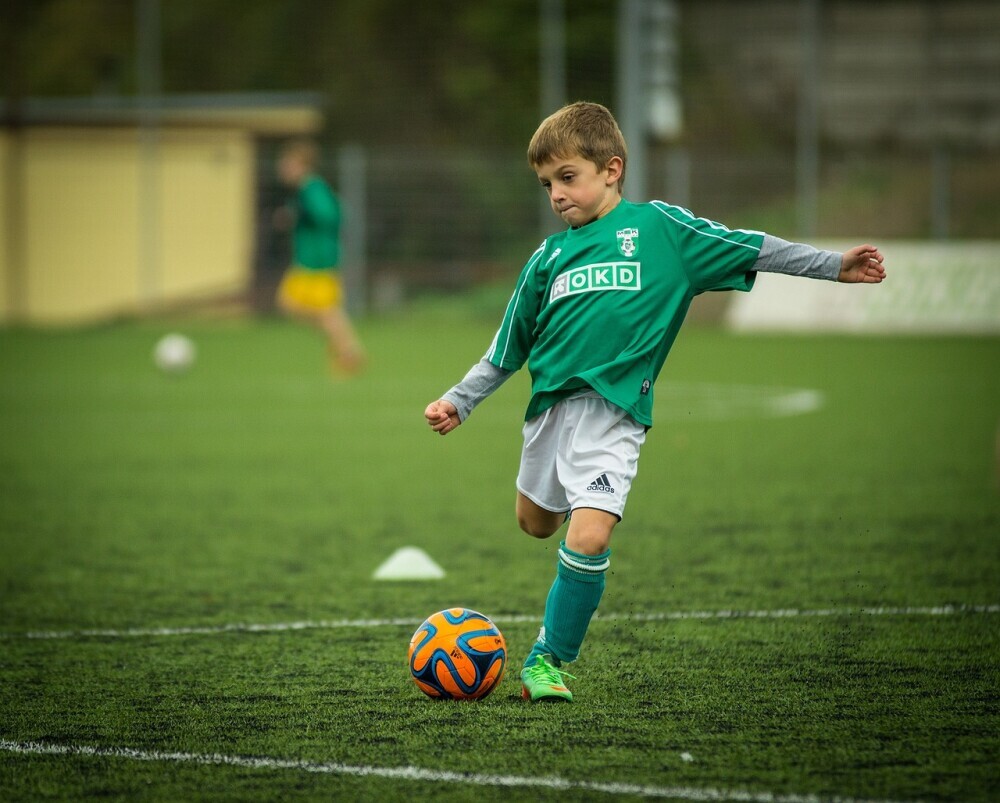
Playing in teams of three or four helps every child get more touches and make more decisions independently. These smaller games mean lots of movement and more soccer for everyone involved.
- Free play: Set rules only for fairness and safety. No offsides, very light boundaries, and let play flow as kids explore the game.
- Multiple mini goals: Place several small goals or targets, letting teams score anywhere. More scoring = more excitement.
- No goalkeepers (optional): This encourages all kids to get involved, not to just stand in one spot.
These game formats help boost confidence and focus on playing over winning.
Sample 45-Minute Training Session for 7 Year Olds
When I set up a session for kids this age, I break it down by switching activities every 10 to 15 minutes. This keeps everyone on their toes and engaged:
- 10 min – Warm up game: Try Traffic Lights or Animal Dribble
- 10 min – Dribbling game: Sharks and Minnows works great
- 10 min – Passing or shooting game: Go with Pass Through the Gates or Knock the Cones Down
- 10 min – Small-sided mini match: Try 3v3 free play
- 5 min – Cool down, group cheer, and praise
Every session is a bit different, but I always end with something fun and lots of positive encouragement.
Common Mistakes to Avoid When Coaching 7 Year Olds
- Stopping play too much: Every pause loses energy. Keep corrections brief and let play continue as much as possible.
- Yelling instructions: Kids tune out shouting; one-to-one feedback or quick reminders on the go work better.
- Focusing on positions or tactics: Save tactics and fixed spots for later years. Rotate roles and let everyone try different things every week.
- Keeping score or comparing kids: Competition matters less at this age. Celebrate effort and improvement, not wins.
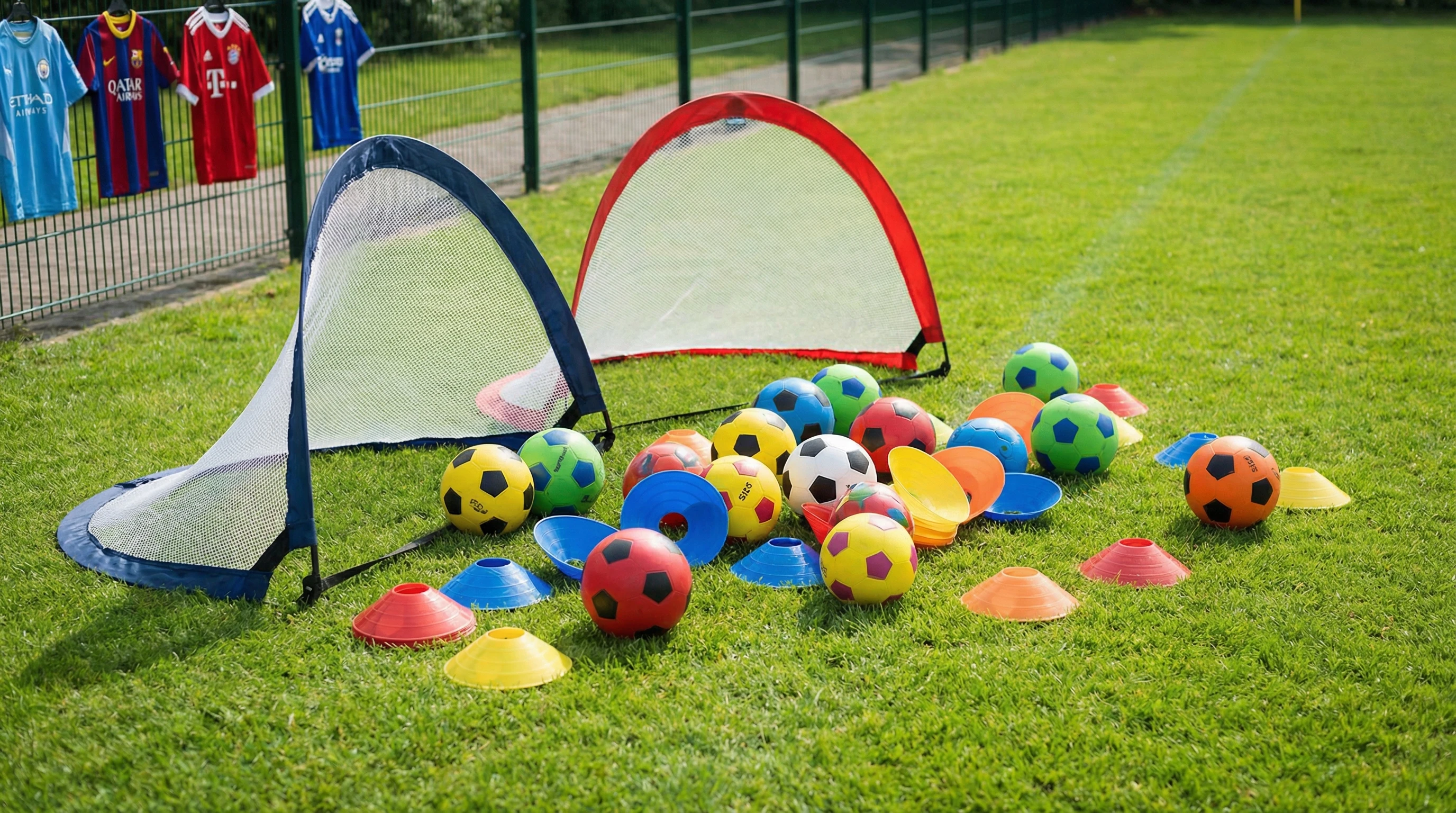
Recommended Equipment for Fun Youth Soccer Drills
- Flat cones and markers: Super useful for setting up boundaries, goals, and all sorts of little challenges.
- Size 3 soccer balls: Lighter and smaller than adult balls, making it easier for little feet.
- Pop up mini goals: Perfect for quick matches or target games; easy to set up anywhere, even in a backyard or driveway.
- Bibs/pinnies: Color coded vests cut down on team confusion and add some excitement to games.
When picking up gear, look for sturdy, bright colored cones that won’t trip kids up, and make sure balls are soft if you’re practicing indoors.
Pop up goals fold down small, so they’re easy to store and carry; definitely worth checking out if you coach or help with games regularly.
FAQs – Fun Soccer Drills for 7 Year Olds
How long should drills last for 7 year olds?
Most kids do best with 5 to 10 minutes on each drill before moving on. Switching things up helps keep interest high.
How many drills per session is ideal?
Three to four activities in one session are usually plenty. You can cycle in a warm up, one or two skill games, and a match.
Should 7 year olds play competitive matches?
At this stage, focus on friendly games and skill building over formal competition. Social play, team bonding, and equal turns are more valuable than tracking scores.
Can these drills be done at home or in small spaces?
Definitely! Most drills listed here work in a yard, driveway, or any open space with just a ball and a few cones.
Wrap-Up & Further Reading
Giving kids at this age a positive, playful introduction to soccer sets them up for years of enjoyment.
I find that mixing up activities, rotating roles, and celebrating small successes builds a love for the game that lasts.
Try changing up your routine each week to keep things exciting, and lean into what your players enjoy most.
You might also want to check out Youth Soccer Drills for Beginners, Soccer Dribbling Drills for Kids, for more ideas to keep young players learning and smiling.
Here’s a little transparency: Our website contains Amazon affiliate links. This means if you click and make a purchase, we may receive a small commission. Don’t worry, there’s no extra cost to you. It’s a simple way you can support our mission to bring you quality content.”