
If you’re just starting out in soccer and hoping to put more goals on the scoreboard, focus on simple shooting methods, solid body placement, and steady practice.
These factors matter way more than how hard you can kick the ball in the beginning.
Big improvements come from learning to be accurate, timing your shots, and building confidence through easy drills that look a lot like real game opportunities.
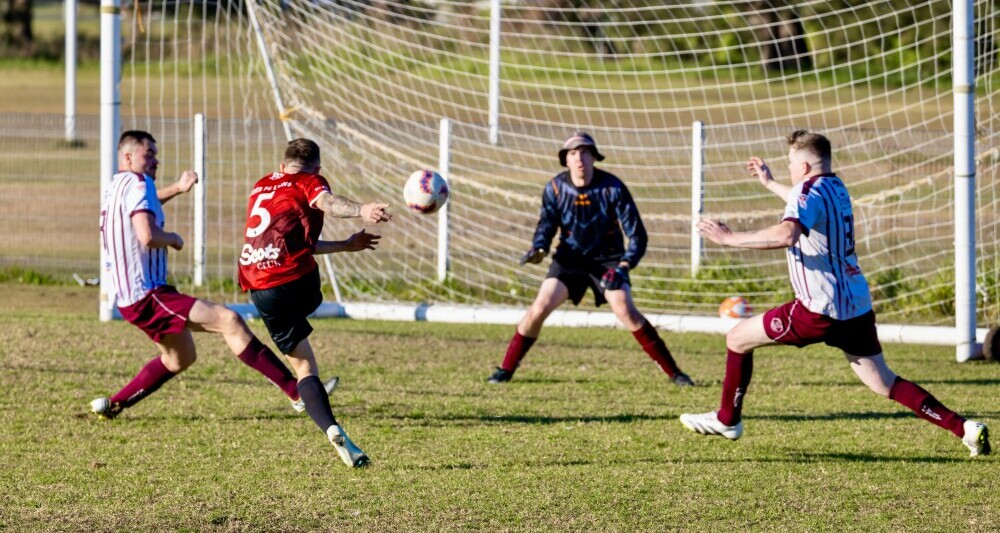
Goal-scoring improves the fastest for beginners who work on up-close shots, make use of both feet, and practice putting away passes, gradually building up to playing with a little more pressure.
Easy-to-follow advice in this guide shows what skills, repetition, and habits really count if you want to find the net consistently—even when you’re just getting your feet wet on the field.
Why Scoring Goals Feels Tough for Beginners
Finding the back of the net isn’t always about speed or being super athletic.
Many beginners end up rushing their shots, shooting off-balance, or freezing up when the goal is wide open.
The tough part for most players isn’t getting into a scoring spot, but staying calm enough to finish.
Confidence can take a hit after a missed shot, and pressure ramps up when others are watching. A bit of focused practice on the right routines helps anyone improve quickly.
Core Goal-Scoring Principles for Beginners
- Accuracy before power: Hitting the ball where you mean to is far more important than blasting it as hard as possible.
- Keep shots low and controlled: Shots along the ground make it tricky for goalkeepers to get to them.
- Steady head, eyes on the ball: Look at the ball until you’ve made contact—peeking at the goal early often leads to bad misses.
- Always follow up shots: You’d be surprised how many goals come from rebounds off the keeper or the posts.
- Shoot early when there’s a chance: The more touches you take, the more time defenders have to block your shot.
Basic Shooting Techniques for Beginners
Before you get into drills, it’s important to master the basics of scoring.
Here’s how I break things down for players who are starting out:
- Insidefoot placement shots: Use the side of your foot—the in-step—to guide the ball into the corners. Go for accuracy above all else, since this approach is easier to control than powerful shots.
- Shooting with the laces: Start slow with this method. You’ll get some extra power, but you need to pay attention to the angle of your foot and stay balanced. Take your time learning it.
- Body shape and steadiness: Lean a bit forward, plant your standing foot next to the ball, and swing your shooting foot toward your target. Good balance makes everything easier.
- Shooting while moving versus from a standstill: Real goals often happen while the ball is rolling or coming in from a pass, so practice both. Just keep your technique smooth and under control each time.
Beginner Goal-Scoring Drills With Low Pressure
Consistent scoring begins with lots of repetition.
Doing simple drills over and over until they feel automatic makes a big difference. Here are a few ways to jumpstart your routine:
- Stationary ball shooting drill: Set up balls close to the penalty spot. Focus on landing your shots on target with both feet, rather than how hard you can hit it.
- Dribble and shoot: Move the ball forward a few steps, keep your head steady, and pick out a corner of the goal. Start at a comfortable pace and gradually speed up as you improve.
- Close-range finishing: Get a few yards from the goal. Try to score at the corners with your first touch. This trains your quick reaction time and helps you gain confidence in front of goal.
Always stay focused on good technique and squeeze in as many repetitions as you can.
Remember, every shot counts as practice—even if you miss.
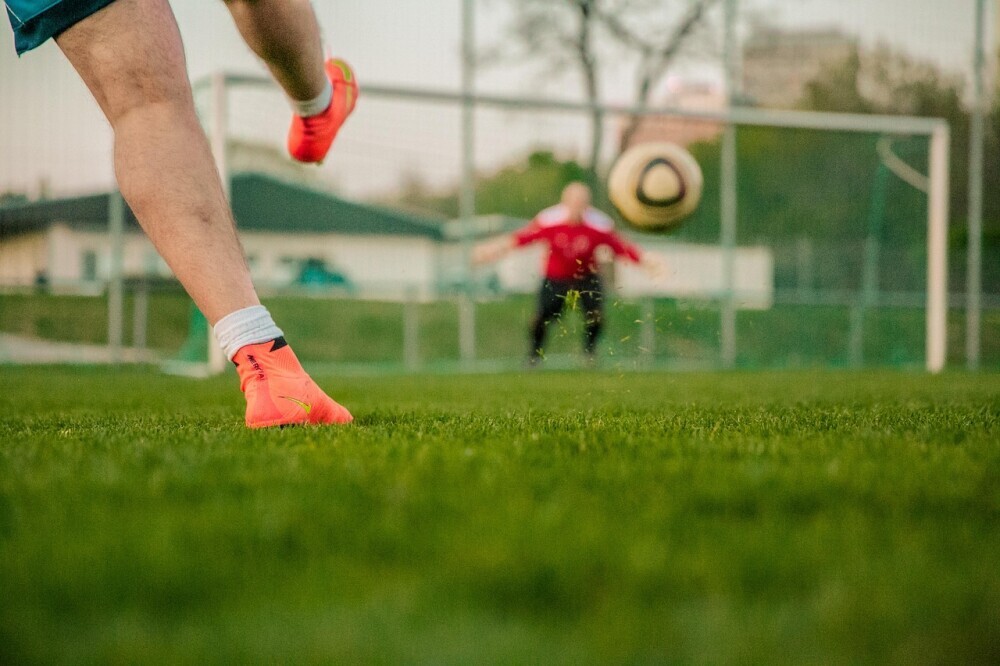
Improving Finishing Through Simple Movement
Most chances in games come while you’re moving.
A couple of drills can help you shoot in stride and time your movement better:
- Pass and shoot drills: Have a partner or coach pass the ball from different directions, then take a touch and finish right away. If you’re by yourself, a rebound net or wall works too.
- Shooting after a short run: Begin five yards back, jog up to the ball, and strike it as it rolls in front of you. You’ll learn to finish shots with momentum, just like in games.
- Timed runs to receive the ball: Practice bursting into the box just as a cross or pass arrives, and finish with a controlled insidefoot shot.
The big goal is learning to shoot while moving, rather than only when the ball is stopped.
That’s how most goals actually happen.
One-on-One Finishing for Beginners
When you find yourself staring down a goalkeeper, it’s all about staying calm.
A few basic strategies and drills can help make the most of these moments:
- Decide your target early: Pick where you want to put the ball before the keeper closes you down. This helps you stay in control.
- Go for accuracy, not just force: Aim low, toward either side of the goal—landing your shot is much better than trying to blast it past the keeper.
- Relax as you finish: Try not to overthink, and trust your practice to do the work.
Try out these drills for starters:
- Controlled 1v1 finishing: Start your run on goal at a slow pace and finish using the insidefoot, concentrating on where you want the ball to go.
- Chasing defender drill: Have someone come after you lightly as you approach goal. This adds just enough pressure to build composure, without overwhelming you.
Using Small Sided Games to Improve Scoring
Playing in smallsided games, like 3v3 or 5v5, gives you a bunch of extra chances to take shots.
I also like to toss these rules into beginner sessions:
- Set a shot limit per possession: Nudge everyone to take quick shots instead of holding the ball too long.
- Bonus points for firsttime finishes: Give extra credit to those who shoot as soon as a pass comes, not after trapping it. This simulates real goal situations and helps you react faster.
These games naturally create tons of goal chances and help you sharpen your finishing skills during live play.
The more you play, the more comfortable you’ll get in those key moments in front of the net.
Common Goal-Scoring Mistakes Beginners Make
- Prioritizing power over placement: Booming shots may look eye-catching, but they’re more likely to soar over the bar than hit the net.
- Taking too many touches: In real matches, this gives defenders more time to shut you down.
- Using only your dominant foot: Practice finishing with both feet, even on basic shots. This gives you twice as many options when you’re right in front of goal.
- Losing confidence after a miss: Misses are part of the game. Stick with it and focus on learning from each shot instead of getting frustrated.
How Often Should Beginners Practice Goal Scoring?
For newcomers, setting aside two or three fresh sessions a week really pays off—20 to 30 minutes can work great if you stay sharp.
Short, focused drills help much more than dragging out long sessions without purpose.
Keep it basic and steady: repeat core skills until you become comfortable, then build from there.
Simple Equipment That Helps Beginners Score More Goals
- Portable goals: They’re super easy to use anywhere, so you can practice at the park or in your yard without a hitch.
- Shooting targets: Clip these onto the inside corners of the net to give yourself consistent targets every time you shoot.
- Rebound nets: When training solo, these help you practice passes and let the ball bounce back so you can finish again and again.
- Cones: Perfect for marking shooting lanes, building dribble courses, or splitting up different finishing zones for a mix of practice drills.
FAQs – Improving GoalScoring for Beginners
How long does it take to get better at finishing?
Most beginners notice big changes in a few weeks of steady, targeted training. It’s not about natural ability; it’s about putting in reps using smart drills.
Should beginners focus more on power or accuracy?
Accuracy should always be first in line. Low, wellplaced shots almost always have a better chance to beat goalkeepers at the youth and beginner levels.
Is it normal to miss a lot at first?
Everyone misses goals when they’re starting out—even professionals sometimes.
Keep at it, watch what you can learn from each try, and don’t let a few misses get you down.
Can you practice finishing alone?
Yes, and it’s a great way to get extra work. All you really need is a ball and some basic equipment like cones or a rebounder.
A wall works great for passing and shooting, or get someone to toss you the ball for one-touch finishes if you can.
What To Remember About Getting Better at Scoring Goals
Scoring goals is a skill anyone can develop, just like passing or dribbling. Make a habit of patient, steady practice and keep believing in your growth.
Missing is totally normal—if you keep putting yourself in the right spot, learn from each shot, and stick with it, you’ll get better before you know it.
If you’re ready to take your game up a notch, check out these guides:
- Shooting and Finishing Drills for Youth Soccer
- Soccer Passing Drills for Youth Players
- Youth Soccer Drills for Beginners
Recommended Gear for Beginner Goal Scorers
Want to level up your shooting at home or the field? These Amazon favorites make it easy to build consistency:
- 🥅 Portable Soccer Goal – Great for practicing anywhere
- 🎯 SKLZ Target Net – Clip-on corners for shot placement
- 🔁 SKLZ Rebounder – Practice one-touch shots solo
- 🟠 Disc Cones Set – Set up drills and zones
- 📘 Soccer Smarts for Kids – Learn techniques and confidence
These tools help take your training beyond the basics and make every session count.
Here’s a little transparency: Our website contains Amazon affiliate links. This means if you click and make a purchase, we may receive a small commission. Don’t worry, there’s no extra cost to you. It’s a simple way you can support our mission to bring you quality content.”