
To create effective soccer drills for different ages, match each activity to the player’s stage of development, not just their soccer skill level.
Younger kids need simple, playful, and active games, while older players thrive with more challenging, realistic, and tactical drills.
The main things to tweak are how hard the drill is, how much pressure there is, how long activities last, and the kind of instructions you use.
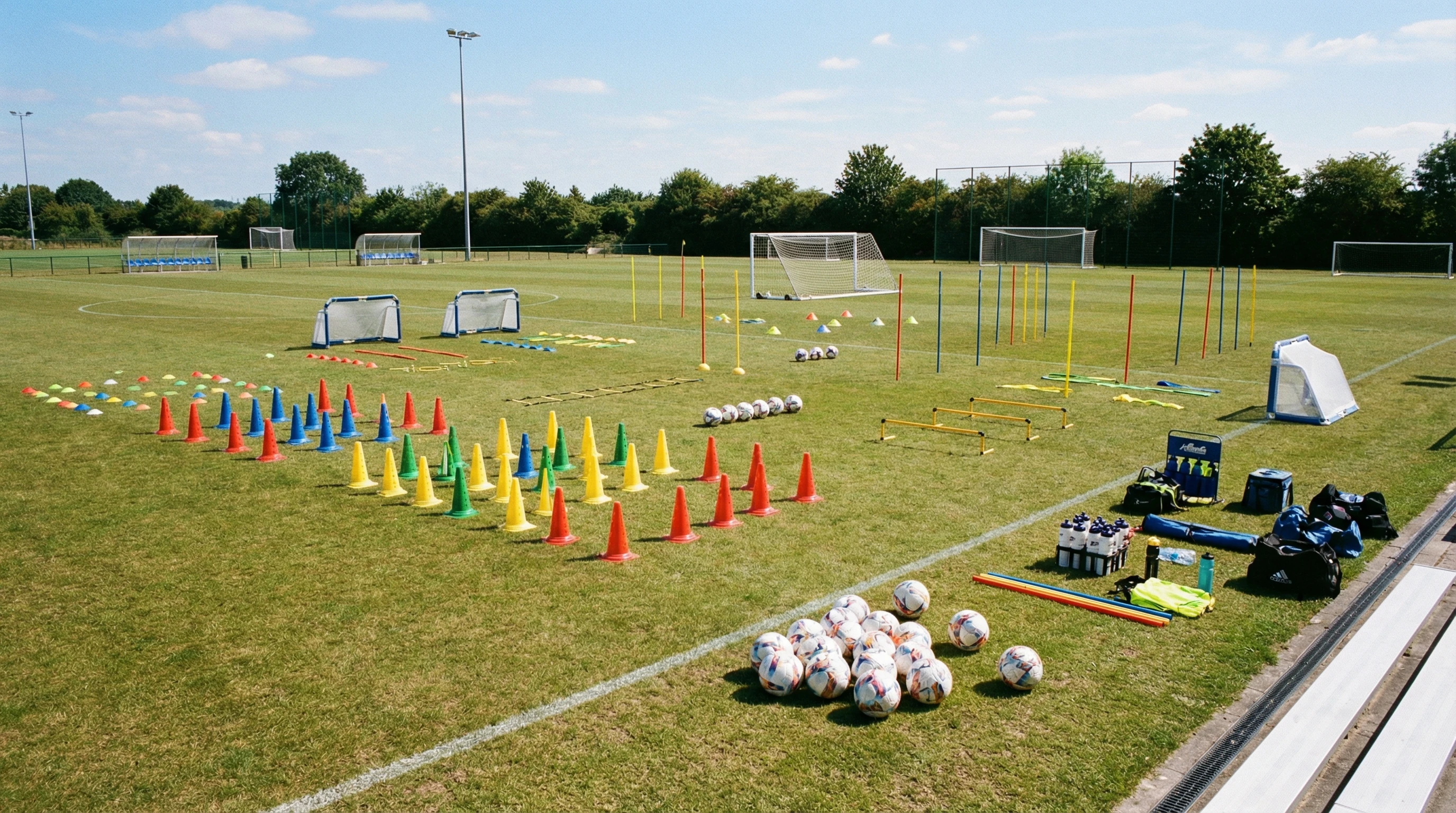
How to Build Drills for Any Age Group
Designing great age-based soccer drills means shaping four key parts for your group:
-the drill rules (how simple or complex they are),
– the space you use (tiny area or big, realistic field),
– the opposition (no defender, passive defender, or active defender),
-the goal (are you chasing fun, skill, or smart choices?).
This guide shows exactly how to tweak those features for each age so you get practical activities that actually work at training.
Clear organization of these elements helps coaches quickly assess and adjust drills for different players, leading to better engagement and development.
Why Age-Appropriate Soccer Drills Make a Difference
Kids learn, concentrate, and move differently as they grow.
Five-year-olds can’t focus for as long as teens, and they need lots of movement and silly fun to stay engaged.
Using the wrong drill for an age group can lead to confusion, boredom, or frustration, and sometimes even quitting soccer completely.
Tailoring drills to each level not only helps with keeping practices fun, but also builds a stronger foundation for learning new skills down the road.
This leads to happier, more confident soccer players who are more likely to stick with the sport over the years.
Another key benefit is injury prevention.
Age-based drills ensure players move safely and appropriately for their bodies.
Coaches who think about physical development will help kids avoid burnout or unnecessary injuries by choosing activities that fit their stage of growth.
Core Principles for Every Good Soccer Drill
Some basics are true no matter how old your players are:
- Lots of Ball Touches: Every kid should get time on the ball, not be standing in line for ages.
- One Main Goal: Stick to a single focus per drill, like dribbling or passing.
- Progress From Easy to Hard: Start simple, then add challenge a bit at a time.
- Keep Waiting Time Short: Small groups or two-at-a-time activities keep everyone active.
- Plenty of Positive Feedback: Encouragement helps kids keep trying, even when they struggle at first.
Also, well-designed drills mimic the energy of real games.
That means mixing in competition, teamwork, and unpredictable elements (where possible) can make practices both effective and enjoyable.
Always remember to add short breaks for water and discussion so everyone stays motivated and healthy.
How to Adjust Soccer Drills for Different Ages
No matter the age group, you should always pay attention to these four things when planning your drill:
- Complexity: How many actions or skills are involved? Younger kids need fewer steps, while older kids can handle more.
- Speed: Are players working at their own pace, or is there time pressure?
- Decision-Making: How many choices do they have in the drill? More advanced players benefit from activities that force quick decisions.
- Opposition Level: Are they practicing alone, against a partner giving light resistance, or a live defender?
Beyond these basics, you can also play with the number of players involved, the kind of ball (lighter or heavier), and even the motivation—are you rewarding effort, creativity, or teamwork?
These elements let you fine-tune each drill for your group’s unique needs.
Soccer Drill Ideas for Ages 5–7 (Early Childhood)
Kiddos in this group do best with simple, fast, and game-like activities centered around movement and fun.
Their attention span is short, so activities should be quick and silly.
Drills shouldn’t have assigned positions, tactics, or lots of rules.
- Focus: Having a blast with the ball, basic coordination, and learning to move confidently.
- Drill characteristics: Use games where everyone is moving at once. Avoid lines and waiting. Use imagination—pretend to be animals, spaceships, etc.
- Drill examples:
-
- Sharks and Minnows: Everyone dribbles their ball away from a ‘shark’ in the middle.
- Red Light, Green Light: Dribble to “green”; freeze to “red.”
- Coaching language: Cheerful, simple, and playful. Think “Awesome dribbling!” or “Can you go even faster?”
Remember, games like “Simon Says Soccer” or “Pirate’s Treasure” can mix up the routine and add new energy to your youngest players’ sessions.
Keep them laughing and moving for best results.
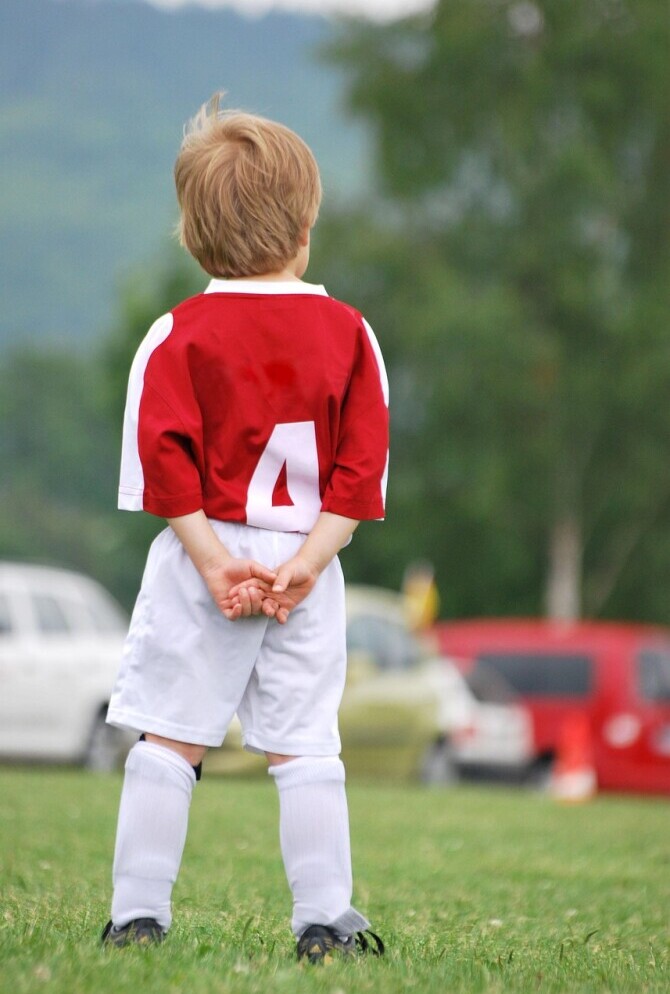
For Ages 5–7: Movement & Fun-Based Equipment
From your “Kiddos” section (Sharks & Minnows, Red Light/Green Light):
- Mini Soccer Balls (Size 3)
Wilson Traditional Soccer Ball (Size 3)
“Perfect for small feet, this size 3 soccer ball is a great tool for kids to build dribbling confidence.” - Flat Marker Discs or Footprint Spots
GoSports Field Markers – Set of 50
“Use these flat markers for imaginative movement games, dribbling paths, or silly foot placement games.” - Fun-Themed Coaching Whistle or Stopwatch
Sport Count Timer Ring or Soft Whistle
“Add structure without intimidation using a soft-tone whistle—great for guiding the youngest players.”
Soccer Drill Ideas for Ages 8–10 (Foundation)
Kids this age can focus longer, so drills can include simple instructions and start to introduce basic teamwork.
You’ll see more passing and shooting, but keep things easy and positive to build confidence.
- Focus: Mastering the basic skills, such as dribbling, passing, shooting, with friends.
- Drill characteristics: Quick explanations, lots of attempts, partner and small group work.
- Drill examples:
-
- PassandMove Relays: Kids pass to a partner and run to get in line for the next pass.
- Shooting Games: Players try to score from a rolling ball, celebrating every fun shot.
- Coaching language: Keep it positive and clear. For example, “Nice pass!” or “Drive the ball with your laces.”
Other fun ideas include “Obstacle Course Dribbling” or “Target Kicks”—activities where players earn points by knocking over cones or hitting small targets.
This keeps their interest and encourages creativity.
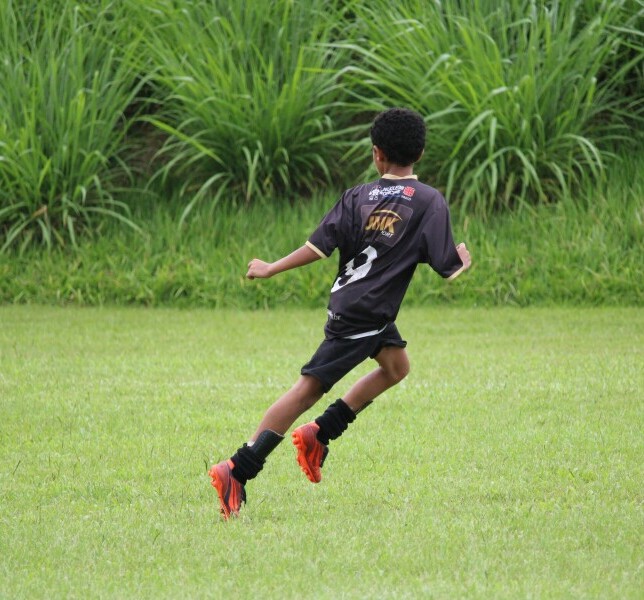
For Ages 8–12: Skill Development & Friendly Competition
Relevant for your “Pass and Move Relays” and “Shooting Games” sections:
- Pop-up Target Nets
SKLZ Goalshot Target System
“Teach shooting precision with this goal target system designed for youth goal-scoring drills.” - Adjustable Speed & Agility Ladder
Ohuhu Agility Ladder with Cones & Carry Bag
“Train quick feet and balance with this agility ladder set, a great fit for ages 8–12.” - Youth Shin Guards & Socks Bundle
Adidas Youth Shin Guard Set with Compression Sleeves
“Keep safety in mind with comfortable youth shin guards—ideal for contact during small-sided drills.”
Soccer Drill Ideas for Ages 11–12 (Skill Development)
This is a key age for kids to test their skills under a bit of real-world pressure, so bring in defenders, add small goals, or introduce simple choices.
They’re more ready to think about what’s happening around them, but they still need support to build confidence.
- Focus: Using techniques in the face of light opposition plus basic decision making.
- Drill characteristics: 1v1 or 2v2 games, smallsided matches, and challenges that force choices like “pass or dribble?”
- Drill examples:
-
- Combination Passing: Three players in a triangle, practicing “give and go” moves.
- 1v1 Attack: Players face each other and try to get past with a move.
- Coaching language: Encouraging questions, such as “What did you see?” or “How could you beat the defender?”
Mystery challenges, like having to switch feet or change direction, add a layer of excitement and help develop versatility in players just beginning to process game flow and situations.
Soccer Drill Ideas for Ages 13–15 (Tactical Awareness)
By middle school, many players are ready for more realistic, game-like scenarios.
This is when you can introduce tactical concepts like defending as a group, positioning, and switching between attack and defense.
Use real game spaces and sharper challenges.
- Focus: Applying skills in fullspeed, gamestyle situations.
- Drill characteristics: Directional play, use of larger areas, defenders apply real pressure, drills reflect real matches.
- Drill examples:
-
- Pressing Drills: Teach players how to win the ball back together.
- CounterAttack Games: Quick transition drills with clear direction and targets.
- Coaching language: “Find space!” “Work as a unit!” and “Attack quickly!”
These sessions can also include “Shadow Defending,” where players track opponents without tackling, or “Quick Shift Games,” which force teams to adjust their shape on the move.
This approach supports game understanding and teamwork.
For Ages 13–15: Tactical Concepts & Realism
Your “Pressing Drills” and “Counterattack Games” work well with:
- Tactical Dry Erase Coaching Board
Malker Magnetic Soccer Coaching Board
“Help players visualize team shape and positioning with this coaching board—great for teens learning tactics.” - Futsal Ball (Size 4, Low Bounce)
SELECT Futsal Super Ball
“Introduce tight-space control and decision-making with a futsal ball perfect for indoor or tactical drills.” - Speed Resistance Parachute Trainer
SKLZ Speed Resistance Parachute
“Build explosive sprint speed with a resistance parachute—great for older teens.”
Soccer Drill Ideas for Ages 16+ (Performance)
At this point, drills need to feel like real games.
The focus switches toward match-speed execution, advanced tactics, and even some fitness work mixed into activities.
Sessions are demanding, but each should still have a defined purpose.
- Focus: Transferring skills to real games, using tactics, executing fast.
- Drill characteristics: Intense, gamerealistic, include tactics and conditioning, always connected to an ingame skill.
- Drill examples:
-
- PhaseofPlay: Breaking down specific game moments, such as defending crosses or attacking the final third with full teams.
- Transition Games: Fast switches from attack to defense with two teams and game scoring.
- Coaching language: Direct, purposeful, focused on details, for example “Check your shoulder!” and “Play at game speed!”
“Box-to-Box Sprints” and “Find the Switch” passing exercises simulate match conditions so players can adapt and perform under pressure.
Mixing in small competitions motivates older players to give their all.
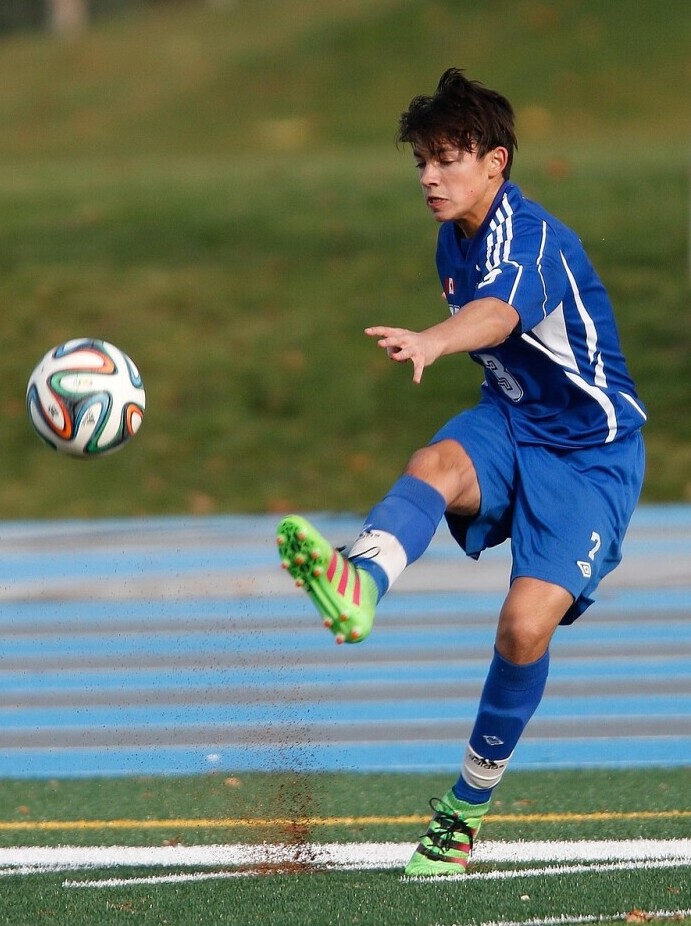
For Ages 16+: Game Simulation, Fitness, and Performance Tools
Supports your “Phase of Play” and “Match-Realistic Drills” section:
- Player GPS Tracker
STATSports Apex Athlete GPS Tracker
“Analyze performance like a pro using a GPS tracker that logs sprint data, distance, and more.” - Soccer Training Rebounder Wall
PodiuMax Soccer Rebounder Net
“Train passing, first touch, and game-speed reactions with a rebounder net that challenges solo or team play.” - Soccer Fitness & Conditioning Book
“The Science of Soccer” by Strudwick
“Coaches working with advanced players will love this soccer fitness guide to boost match-readiness.”
Common Mistakes When Creating Age-Based Soccer Drills
- Using adult drills with technical jargon for kids.
- Piling on too many instructions at once. Most players do better when they can just play and learn by doing.
- Starting tactics too early. Let younger players experiment and have fun first.
- Skipping fun games for little kids. Enjoyment helps keep them coming back and loving soccer.
- Not adjusting difficulty as groups develop. What works for beginners changes quickly as they learn, so be flexible with drill challenges.
Sample Drill Progression: Passing for Different Ages
- Age 6: Passing in pairs using big, light balls with short distances. No pressure. Celebrate every pass and encourage laughter and trying new things.
- Age 9: Passing relays with partners, short distances. Add some targets or gates for points to increase competition.
- Age 12: Pass and move around a triangle, with a passive defender providing pressure. Coach calls for “give and go” or quick turns.
- Age 15: Game of keepaway in a small space, with 3v1 or 4v2 numbers, rapid movement, and decisionmaking. Players must quickly read the defender’s movement.
- Age 17: Full team passing and movement exercises tied to tactical setups at game pace, possibly with time or scoring conditions. Emphasize communication and accuracy under pressure.
FAQs – Creating Soccer Drills for Different Ages
How do I know if a drill is too advanced?
If kids look lost, bored, or frustrated, the drill is probably too hard or not right for the group.
When in doubt, make it simpler and add challenge slowly. Always ask for feedback during water breaks.
Can the same drill be used for multiple age groups?
Yes, with tweaks. Try making it harder by shrinking the playing space, adding more opponents, or increasing time pressure for older players.
Flexibility is key for adapting drills to changing group needs.
How long should each drill last?
For ages 5–7, keep drills under 8 minutes. Ages 8–12 can handle 10–12 minutes.
Older players can stick with a focused drill for up to 15 minutes, but watch for signs of boredom or fatigue.
Pay attention to energy levels and change activities if the group loses focus.
Should younger players learn tactics?
Not really.
Under age 10, focus almost entirely on individual skills and enjoyment. Save complex tactics for kids who show understanding and interest as they get older.
Coaching Is About Adapting Drills to the Player
The best coaches know a great drill fits the group, not the other way around.
Watch your players, tweak as you go, and keep things simple.
If you do, you’ll build confident, happy, and skilled soccer players ready to play at any level.
Check out my other guides: Youth Soccer Drills: The Complete Guide for Coaches and Parents, Fun Soccer Drills for 7 Year Olds, and Soccer Passing Drills for Youth Players for even more ideas tailored for every age group.
Here’s a little transparency: Our website contains Amazon affiliate links. This means if you click and make a purchase, we may receive a small commission. Don’t worry, there’s no extra cost to you. It’s a simple way you can support our mission to bring you quality content.”