
Soccer passing is often one of the first skills young players pick up, and for good reason.
Passing isn’t just about moving the ball around; it’s the heartbeat of teamwork and serves as the foundation for building confident, talented players.
When kids start early with solid passing habits, they get on the fast track for smarter decision-making, more enjoyable games, and a strong sense of what soccer is truly about.
This guide is especially for youth coaches, keen parents eager to pitch in, academy staff, and anyone supporting grassroots or recreational teams aiming to help kids progress with the ball at their feet.
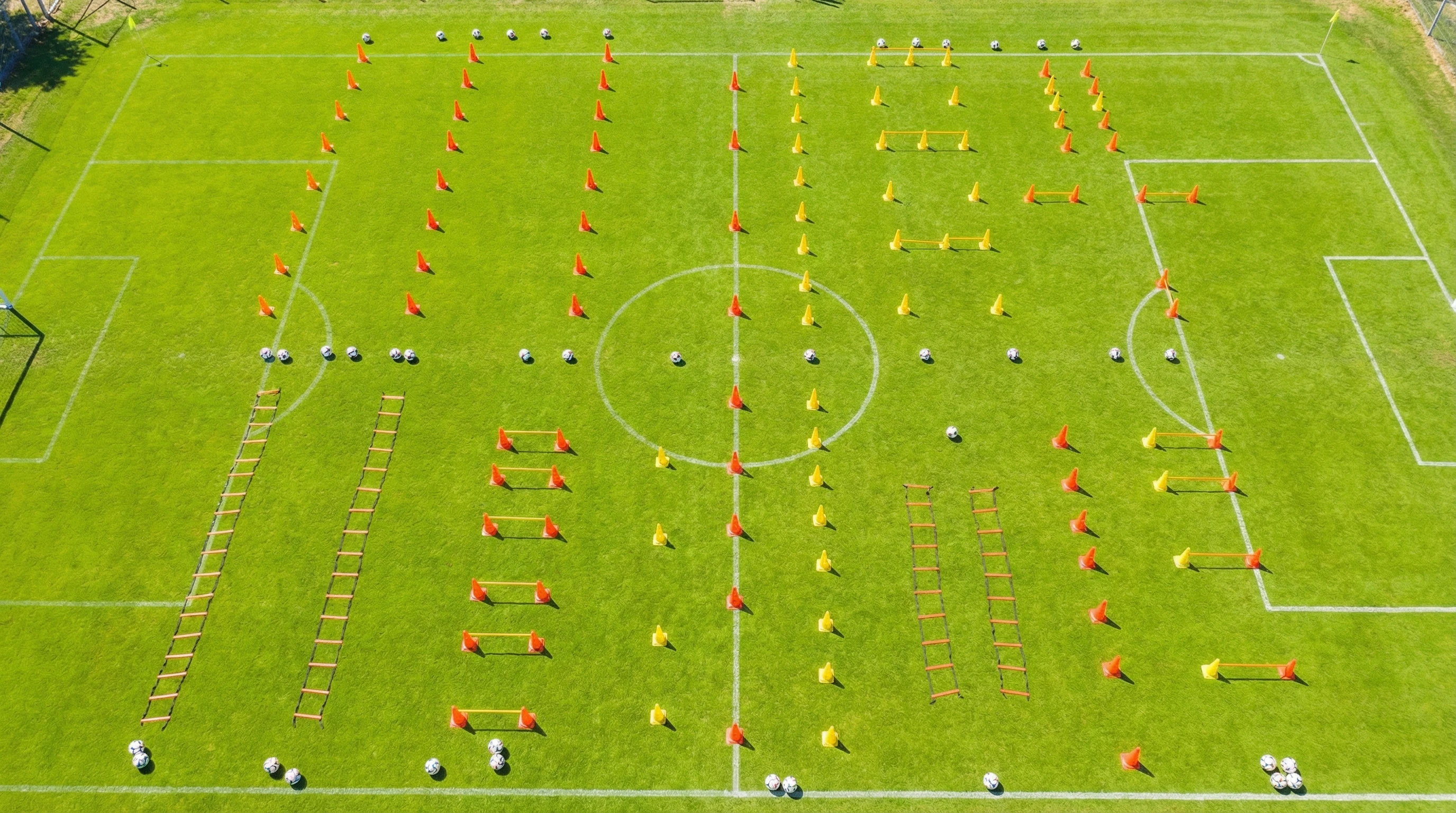
Why Passing Skills Matter in Youth Soccer Development
Passing and dribbling are both next-level cool skills, but for grassroots soccer, focusing on sharing the ball lets kids learn more about movement, support, and making smart choices.
Introducing passing practice early helps young players get a feel for space, read the game better, and connect with teammates.
When players build up their passing, they get used to scanning the field, picking up on runs, and thinking a few steps ahead rather than getting stuck in a crowd trying to dribble around everybody every time.
Building strong passing skills at a young age pays off over the long haul.
Players start feeling more at ease on the ball, learn to move into space once they pass, and gain the courage to try fresh moves.
It’s not about nailing a perfect pass every single time, but about making sure players get comfortable looking for teammates and thinking like a team player rather than a one-person show.
For more on forming a solid soccer foundation from the ground up, check out my guide on Youth Soccer Drills: The Complete Guide for Coaches and Parents.
Coaching Principles for Teaching Passing to Youth Players
If you’re showing young athletes the ropes of passing, your approach is everything.
Over the years, I’ve learned that short, lively drills are best; letting players stand around too long is a surefire way for them to zone out.

Here are some of my top tips for passing sessions:
- Keep it simple and step up the challenge as you go: Start with the basics and increase the difficulty only as players get more comfortable.
- Accuracy over power: Encourage kids to send the ball accurately and smoothly, not just kick it as hard as they can.
- Talk it out: Get players using simple cues like “man on” or “turn” to help each other out.
- Both feet from day one: Early exposure to passing with both feet means players won’t be caught off guard no matter the situation.
- Avoid long lines: Quick drills and plenty of touches keep players moving and focused.
Basic Passing Techniques for Youth Players
Before you jump into drills, it really pays to give players a sense of what a good pass involves.
Most early passing practice centers on the inside of the foot since it’s the most reliable for younger players. Here’s my go-to advice:
- Go with the inside: Using the inside of the foot gives control and makes accurate passes easier.
- First touch matters: Cushioning the ball with the inside of the foot makes it easier to keep close and sets up the next move.
- Stand strong: Keep knees soft, plant the non-kicking foot beside the ball, and send the pass with a good follow-through.
- Pass and move: Don’t just pass and wait—move into space to be ready for what’s next.
Warm-Up Passing Games for Youth Soccer
Kids focus better when work feels like play. Some of my favorite warm-up games blend fun, energy, and learning in one go:
- Passing Tag: Players must pass the ball to avoid being tagged, introducing movement and quick reactions right away.
- Circle Pass and Follow: Players pass, then follow their pass to the next spot around a circle. Everybody’s always in action and learning to scan for options.
- Partner Passing on the Move: Pairs pass while jogging side by side, improving touch and head-up control.
While running these games, I shine a light on gentle touches, eyes up, and keeping a steady tempo.
These warm-ups help everyone ease into the session and set a positive mood.
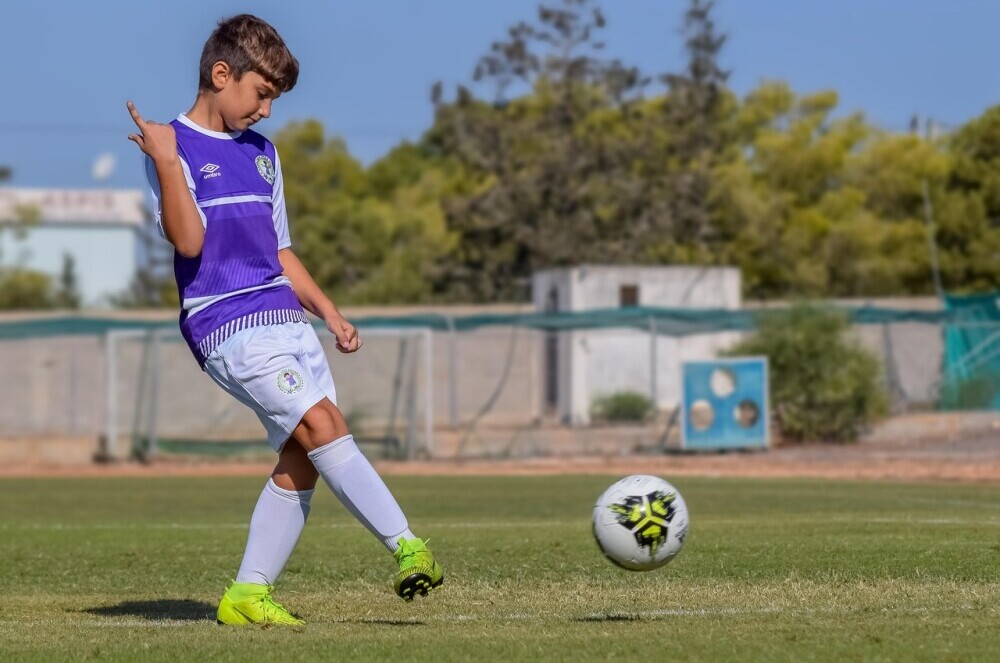
Beginner Passing Drills for Youth Players
If you’ve got newcomers or younger players, basic drills help build strong routines from the start:
- Pass and Move in a Square: Players stand at the four corners, passing in sequence while following their pass to the next spot. It teaches not just passing but also movement after the pass.
- Gate Passing Drill: Set up pairs of cones as goals all over the field. Players pair off and earn points for each successful pass through a gate—move around and change gates every round.
- Two-Player Pass and Chase: One player passes, their partner controls and returns the pass before the first player can tag them. This builds quick thinking and that all-important first touch.
The focus in these drills is on accurate passing, regular movement, and boosting confidence with ball control.
A good first touch and positive energy go a long way.
Intermediate Passing Drills for Youth Soccer Teams
After your players have mastered the basics, you can make things more interesting.
These drills up the ante with extra layers of decision-making and teamwork:
- Triangle Passing: Use cones to mark out a triangle; players pass around in a set order, learning to adjust their body shape and react quickly after receiving the ball.
- Wall Pass (Give and Go): Practice speedy one-twos with a partner or against a wall—great for learning how to combine and break through defenders.
- Passing with a Passive Defender: Add a defender who offers just enough pressure to make things interesting but isn’t actively trying to win the ball. This helps players fine-tune timing and angles.
For intermediate players, I keep an eye out for those who are picking their heads up before passing and staying aware of teammates—signs they’re gaining soccer smarts.
Fun Passing Drills Using Small Sided Games
Learning to pass under real pressure comes from playing small games with special twists. Squeezing the numbers down to 3v3 or 4v4 means everyone gets hands-on with the ball and has to make fast choices.
- 3v3 or 4v4 with a pass rule: Set a rule—like only three touches per team before a pass—to keep everyone making quick decisions and always involved in the play.
- Aim for a set number of passes before scoring: Teams need to chain together a certain number of passes before shooting. This encourages patience and working together.
- Directional games: Have teams pass to move the ball from one end zone to another without giving it away. This teaches field awareness and switching play quickly under pressure.
Most kids love these games—the competitive edge makes the lesson stick and helps them feel the excitement of smart passing.
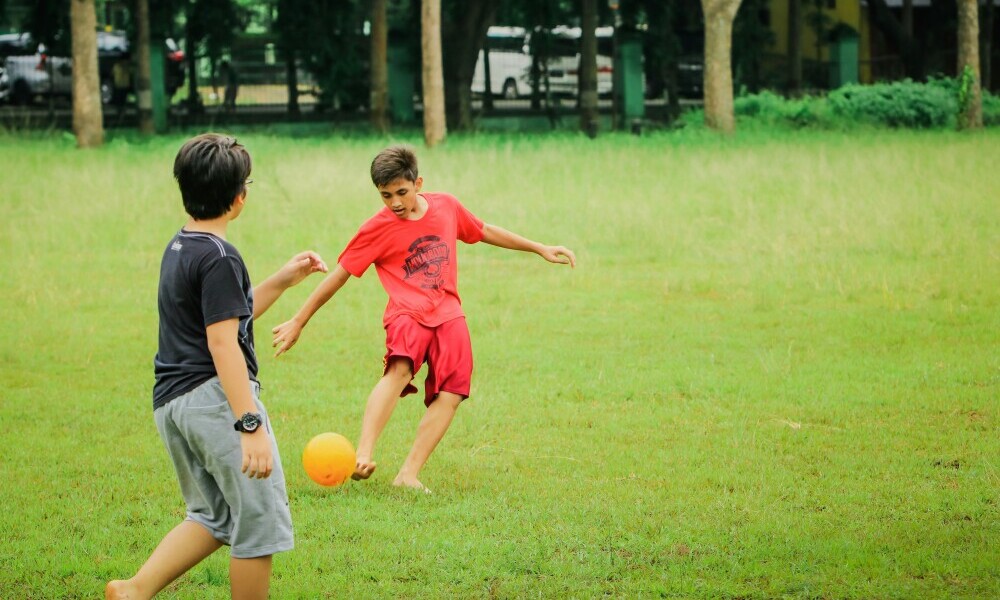
Passing Drills by Age Group (Quick Guide)
Picking drills that suit the age group keeps sessions effective and fun:
- U7–U8: Stick with short distances, gentle pressure, and simple games. Loads of encouragement keeps things engaging.
- U9–U10: Start mixing movement into passing drills and bring in basic game situations. Get players confident using both feet.
- U11–U12: Move onto combinations, fast give and goes, and greater awareness of other players’ positions and options.
- U13+: Increase speed and complexity, mixing in real match-like pressure and challenging passing scenarios.
If you coach really young kids, don’t miss Fun Soccer Drills for 7 Year Olds for more playful activities that build basics with a big dose of fun.
Sample 60-Minute Passing Focused Training Session
If you’re looking for a session layout that covers the essentials, here’s a flexible 60-minute plan I recommend for passing days:
- 10 min: Kick things off with a passing-focused warm-up game (like Passing Tag or circle passing).
- 15 min: Run a basic or intermediate drill, such as Gate Passing or the Triangle Drill, based on the group’s level.
- 15 min: Move to combo play, like wall passes or passing with a passive defender, to add layers of teamwork.
- 15 min: Switch things up with a small-sided game—try one of the competitive games mentioned earlier for high energy and learning under pressure.
- 5 min: Finish up with a cool-down and feedback chat. Ask players what they liked or what felt tricky to keep everyone involved and motivated.
Common Mistakes When Coaching Passing Drills
Everyone slips up sometimes, even the most helpful coaches or parents. Here are a few things to keep an eye on so your sessions run smooth and players enjoy learning:
- Getting too technical in explanations. Clean cues and steady action mean more than long-winded talks.
- Jumping into pressure drills too soon. Let kids practice the basics before testing them with defenders.
- Skipping the first touch. Every pass runs smoother after a good first touch, so don’t let this detail slide.
- Ignoring the weak foot. Regularly using both feet helps each player grow into a more versatile teammate.
- Relying on static exercises. Make sure each pass is followed up with movement and encourage communication between teammates.
Recommended Equipment for Passing Drills
You don’t need a mountain of gear to run great passing sessions—and almost everything can be reused season after season. Here’s what you’ll need:
- Flat cones or markers: Perfect for mapping out gates, field zones, and starting points.
- Rebounder or passing board: Great for players to put in extra practice solo, and easy to store and move between locations.
- Size-matched soccer balls: Littler players do better with size 3 or 4 balls, which they can control more easily.
- Bibs or colored vests: Sorting teams for small games or drills is simple with these, and they help prevent confusion during action.
FAQs – Soccer Passing Drills for Youth Players
Here are the questions I hear the most from parents and new coaches looking to start out with passing drills:
How many passing drills should be done per session?
Two or three focused passing activities per session seem to work best. Mixing games, drills, and light challenges keeps things interesting and avoids burnout.
At what age should passing be emphasized?
Kids as young as 5 or 6 can start with simple, play-based passing activities. Add more structure and teachable moments by the time kids are around 8.
Should youth players pass or dribble more?
Both matter in equal measure at early ages, but making passing enjoyable and routine builds stronger teamwork and game sense. Mix dribbling into games and see who shines with both skills.
Can passing drills be done at home?
Absolutely! A wall or a rebounder in the backyard, basement, or driveway is all you need. Partner passing also fits into small areas.
Wrapping Up
Passing isn’t just another skill; it’s the glue that keeps teams connected from the first season and beyond.
The recipe is simple: regular practice, mixing up drills and games, and putting a positive spin on every session.
Emphasizing passing builds game awareness and sparks team spirit—exactly what soccer is about in those early years.
For more ideas to keep training sessions lively and productive, stumble upon my other articles, including Youth Soccer Drills for Beginners, Soccer Dribbling Drills for Kids, and Youth Soccer Drills for Small Sided Games for an even wider range of tips and tricks.
Here’s a little transparency: Our website contains Amazon affiliate links. This means if you click and make a purchase, we may receive a small commission. Don’t worry, there’s no extra cost to you. It’s a simple way you can support our mission to bring you quality content.”