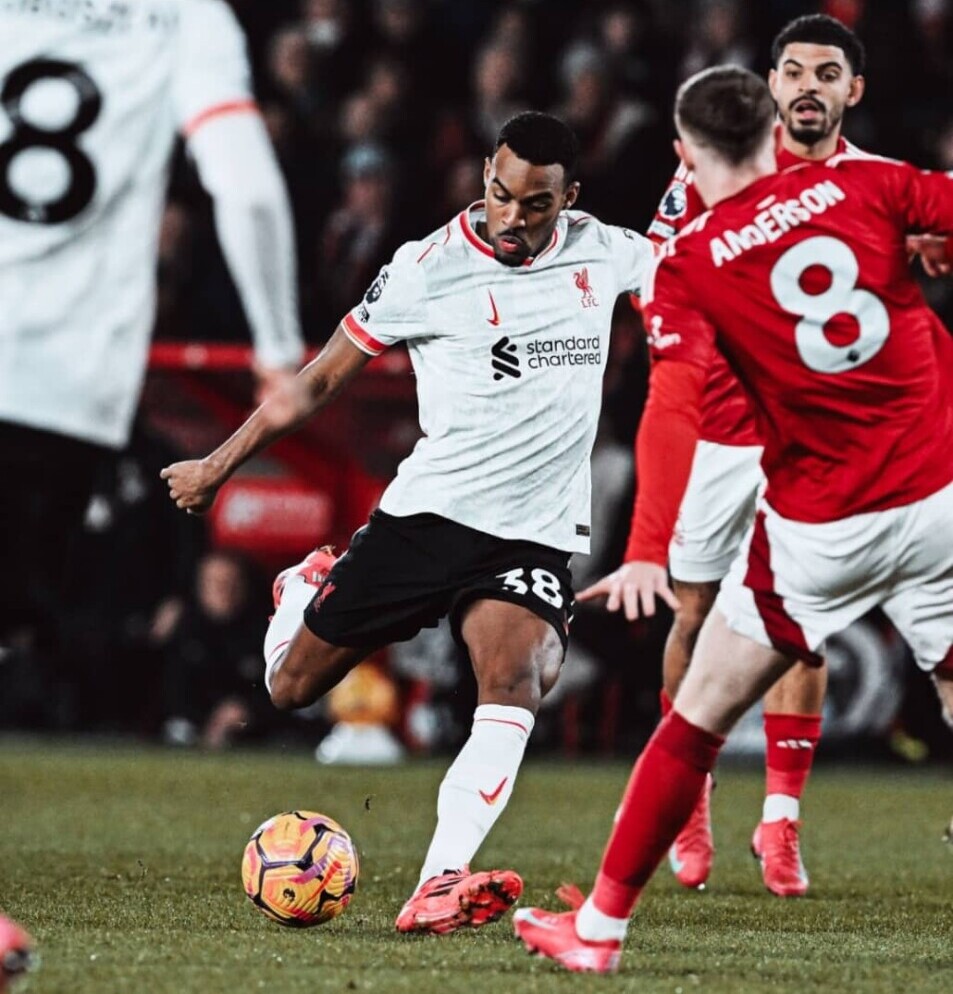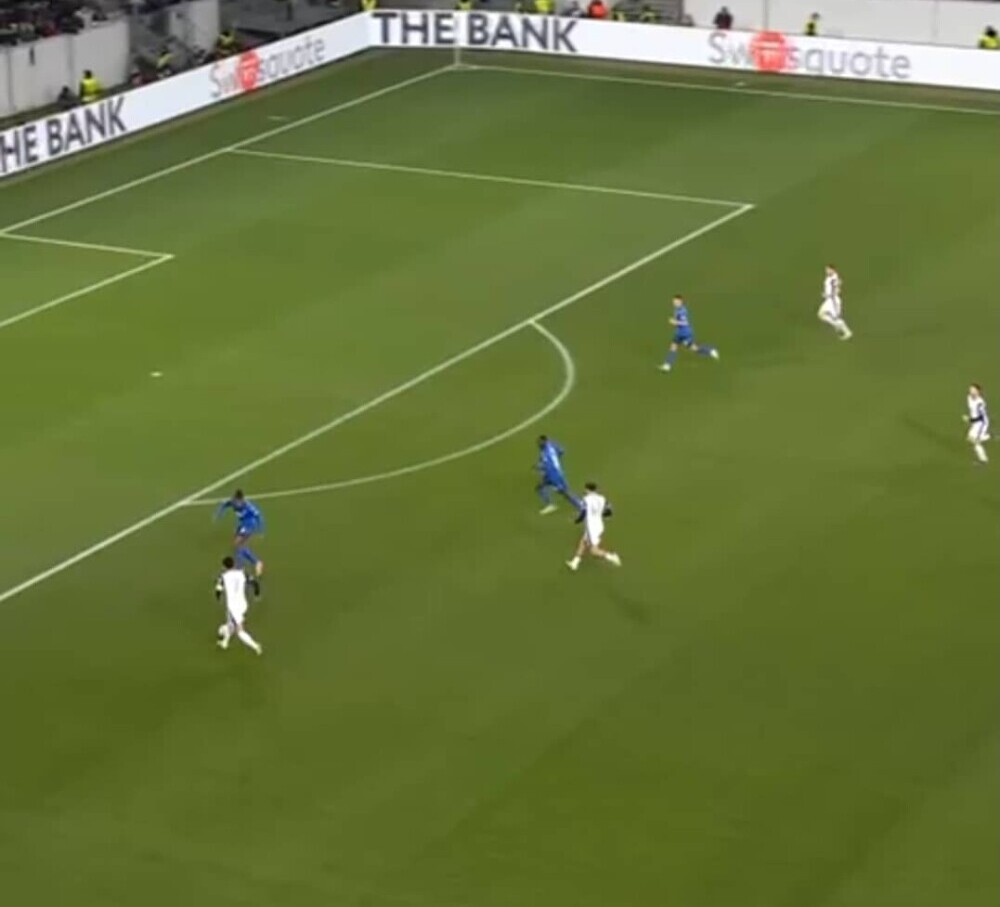
Soccer is a dynamic sport full of skill, strategy, and unexpected twists.
Knowing how to analyze individual player tactics can really change the way you understand the game.
Whether you are a coach hoping to refine strategies or just a fan eager to know more about the game’s subtleties, a close look at individual tactics will show you how players influence their team’s performance.
In this article, I break down the key concepts behind tactical analysis and offer a starting point for those looking to develop their analytical skills.
Using video footage, statistics, and strategic insights, you can see what makes a player tick on the field.
Fundamental Concepts in Soccer Tactics Analysis
Understanding player tactics begins with grasping the basics.
Each player on the field has a specific role that influences the overall strategy.
The formation, pressing style, and movement without the ball are central components of tactical analysis.
By studying these elements, you learn not only how players operate in isolation but also how they interact with each other during crucial moments of the game.
It is worth understanding several common terms used in tactical analysis.
For example, positioning refers to where a player stands during different phases of the match.
Movement off the ball highlights how a player creates space and opportunities, while pressing describes how a player or group of players attempts to regain possession.
Grasping these basics will help you interpret tactical decisions more clearly and appreciate the nuances of each player’s contributions on the field.
Historically, modern soccer tactics have evolved from rigid formations to more fluid playing styles.
Coaches today analyze player movement, pass selection, and decision-making much more deeply than in the past.
With the variety of data available, many professionals use video analysis and statistical software to refine their understanding of tactics.
This change in approach has allowed for a much more nuanced view of individual player contributions, giving a boost to analytical methods that transform raw match events into an all-in-one tactical picture.
Getting Started with Player Tactics Analysis
Before jumping into a deep analysis, it’s helpful to have some guiding steps in place.
Much like assembling the right kit for a project, you need to gather the proper tools and information.
Start by collecting game footage and relevant match statistics. Even basic recordings can reveal a lot about positioning and decision-making on the pitch. Watching multiple games can help you notice recurring patterns and styles of play.

For beginners, here are a few key points to keep in mind:
- Video Lectures: Recording and rewatching segments of a game allows you to slow down and spot intricate details that are easy to miss in real-time.
- Statistical Data: Stats on passes, interceptions, and shots can provide an objective view of a player’s effectiveness during a match, helping you measure performance accurately.
- Key Terminology: Familiarize yourself with common terms like pressing, off-ball movement, and spatial awareness. This helps you create a mental framework as you analyze different situations.
By starting with these basics, you gradually build the skills needed to tackle more complex tactical analysis.
With some practice, you’ll learn to spot patterns and understand the decision-making process behind every move a player makes on the pitch.
Methodological Approaches to Tactical Analysis
Having gathered your tools, it is time to focus on a systematic approach.
A structured methodology ensures you consider all aspects of the game and minimizes the risk of overlooking critical tactical elements.
One method is to start by choosing a specific game or phase of a match to analyze.
Once selected, note the game’s context, including score, time of play, and any unusual circumstances that could impact player behavior.
Next, break down player actions into segments.
For example, divide the match into offensive and defensive phases.
Record the actions that stand out such as quick passes, individual dribbles, or a sudden drop back into defensive positions.
By doing this, you can identify moments when a player successfully disrupted the opposing team’s formation or created an opportunity for their own team.
A systematic approach might look like this:
- Select a game segment: Focus on a short period where tactical play is clear and engaging.
- Record key actions: Note every significant move, including passes, dribbles, and defensive maneuvers.
- Contextualize the play: Consider what happened before and after every key moment to better understand the decision-making process.
- Use software tools: Where possible, use video annotation or tracking software to map positions and movements.
- Review and summarize: Write down your observations to develop a broader tactical picture and connect individual actions to team strategies.
This organized method gives you a clear framework and ensures that you examine player tactics from all necessary angles.
Challenges and Considerations in Tactical Analysis
No process is free of challenges.
Tactical analysis of soccer players comes with several obstacles that may affect the accuracy of your insights.
One challenge is the quality of available footage. Low-resolution or poorly angled videos can obscure important details like subtle changes in player positioning.
To counteract this, it is best to work with multiple sources of video if possible, ensuring a well-rounded analysis.
Another difficulty lies in interpreting the context of actions.
A successful tackle, for example, might look impressive in isolation, but without understanding the surrounding game situation, the tactical significance might be misunderstood.

Factors like the opponent’s offensive strategy or a team’s formation can greatly alter the intended outcome of a specific action on the field.
Here are a few aspects you might face:
- Data Quality: Variability in camera angles and video clarity can make it hard to accurately assess player movement.
- Game Context: A single moment in the game might be influenced by broader team strategies and situational pressures that are hard to track from the footage alone.
- Player Roles: Different players have specialized roles that require careful observation and a deep understanding of their assigned duties on the pitch.
- Statistical Limitations: Some players may excel at subtle tasks that the statistics do not capture, such as creating space or drawing defenders away from key areas.
Addressing these challenges means paying close attention to context.
For instance, cross-referencing video footage with game reports and data analytics can help fill in gaps, leading to a more accurate and rounded analysis.
Advanced Techniques and Tools for Deep Tactical Analysis
For those ready to move beyond the basics, several advanced techniques can take your analysis further.
Modern technology has provided access to tools that were once used only by professional teams.
One such tool is the use of tracking data that records every move made on the pitch.
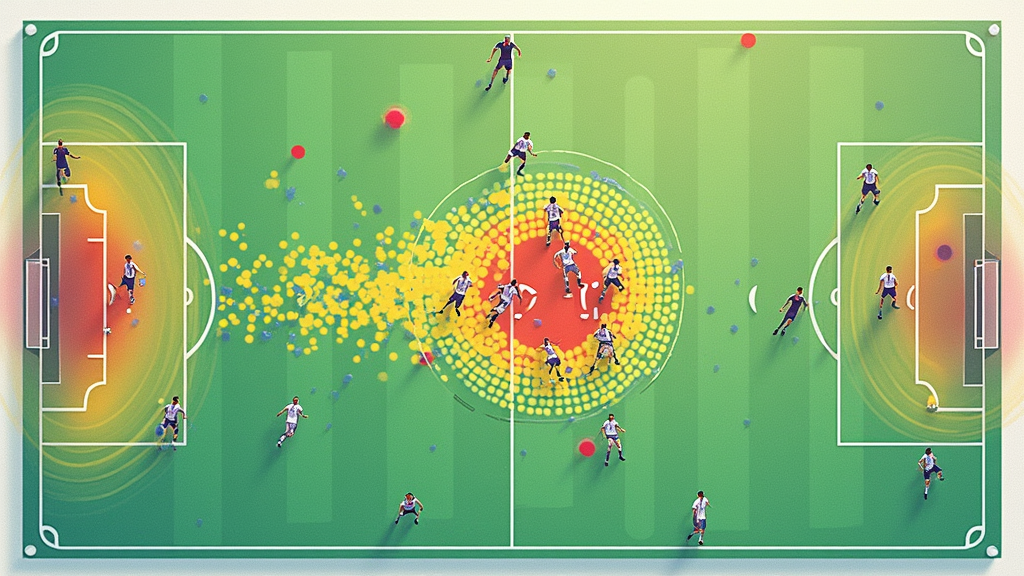
These systems can help generate heat maps and movement charts, offering visual insights into where a player spent most of their time.
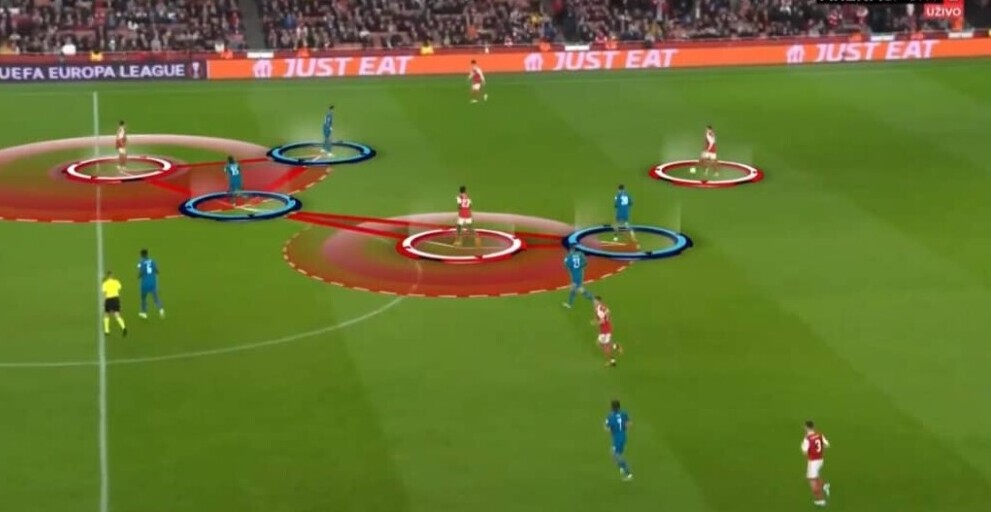
Another advanced technique is video annotation.
By using specialized software, you can mark important moments and overlay diagrams that show how players moved in relation to each other.
This not only sharpens your understanding but also makes it easier to share findings with others who might not be as familiar with the game’s intricacies.
Here are a few advanced tips to keep in mind:
- Make the most of Tracking Data: Use heat maps and movement charts to see patterns and areas of influence on the pitch.
- Jump into Video Analysis: Employ video annotation tools to pause, annotate, and re-watch critical moments for better insights.
- Cross-Check With Statistics: Combine qualitative observations with quantitative data to back up your findings and measure performance.
- Learn Tactical Systems: Understanding various formations and tactical frameworks can provide you with context for the outcomes of certain in-game decisions.
Employing these techniques requires a bit more experience and practice. However, with time and persistent analysis, these tools can uncover layers of understanding that transform basic observations into strategic insights.
Key Concepts and Metrics: How to Evaluate Player Performance
A detailed analysis of player tactics isn’t complete without assessing individual performance using clear metrics.
Standard statistics such as pass accuracy, interceptions, and dribbles can help measure a player’s effectiveness on the field.
But the real art of analysis often involves looking beyond the numbers to understand how a player influences game flow indirectly.
Some important metrics to consider include:
- Positional Efficiency: This examines the movement of a player during both defensive and offensive phases. Look at how frequently a player positions themselves in areas that can influence the game.
- Off-Ball Movement: Consider how players create space or draw defenders away from key areas. This subtle activity can be crucial in building play.
- Defensive Contributions: Size up a player’s role in recovering the ball through interceptions, tackles, and well-timed defensive actions that prevent scoring opportunities.
- Passing and Transition: A player’s ability to shift the ball quickly and accurately during transitions is often a key factor in a team’s style of play.
It is important to note that no single metric tells the whole story.
Often, the best insights come from understanding the relationship between different types of data.
For instance, a player with high pass accuracy might not be effective if they consistently fail to progress the ball into advanced positions.
An all-in-one analysis involves balancing these figures with qualitative evaluations from video reviews.
Frequently Asked Questions
Here are some common questions that often come up when jumping into player tactics analysis:
Question: What is the best way to start analyzing individual player tactics?
Answer: Begin by watching game footage and taking detailed notes on key actions. Focus on understanding player movement, positioning, and overall influence on the game. Supplement your analysis with basic match statistics to get a clearer picture of effectiveness.
Question: How can I overcome the challenges of dealing with low-quality footage?
Answer: Use multiple sources to cross-reference events and focus on segments where the footage is clearer. In some cases, relying on match statistics or official game reports can help fill in the gaps.
Question: Which advanced tools are most useful for deep tactical analysis?
Answer: Software for video annotation, systems that track player movement, and data analytics platforms that generate heat maps are excellent starting points. Experiment with different tools to see which ones give a boost to your overall analysis.
Conclusion
Analyzing individual player tactics in soccer is a rewarding practice that leads to a deeper understanding of the game.
By focusing on key aspects like positioning, movement off the ball, and decision-making processes, you can gain insights that help both fans and professionals appreciate the subtle details that often go unnoticed during a match.
The process starts with familiarizing yourself with basic tactical concepts and gathering quality game footage.
With a systematic approach to breaking down player actions, you learn to recognize moments of brilliance as well as areas where improvement is needed.
Even though challenges such as varying footage quality or interpreting contextual events exist, structured methods and advanced tools really help bridge the gap between raw data and insightful analysis.
Advanced techniques like tracking data and video annotation can take your analysis further.
These tools offer a visual representation of player movements and tactical influence, turning everyday plays into sources of significant insight.
When these techniques are combined with standard performance metrics, your understanding of individual contributions becomes both detailed and nuanced.
Studying individual player tactics isn’t just about identifying mistakes.
Instead, it involves acknowledging the creativity and discipline that form the backbone of soccer.
This ongoing learning process enriches your appreciation for the sport and helps you see every game as a live classroom of strategy and skill.
Taking the time to study player tactics can completely change your perspective on the game.
Whether you are preparing for your next coaching session or simply looking to enjoy the game on a deeper level, a systematic tactical analysis allows you to piece together the larger puzzle of team dynamics and individual performance.
Additional Observations and Tactical Breakdown
To further step up your tactical analysis, consider looking at the historical evolution of strategies in soccer.
Coaches and analysts have long looked at past matches to understand how formations and roles have morphed over decades.
By comparing past tactical trends with current methodologies, you can gain a sense of how modern strategies were built on lessons learned from previous generations.
This extended study not only provides context for current analysis but also inspires innovative approaches in interpreting in-game events.
Another useful approach is to break down specific game situations.
For example, examine how a team adjusts after losing possession or how the pressure builds during a high-stakes moment.
By mapping out individual actions and linking them to team responses, you can track down recurring patterns.
Write down your observations and compare them with different matches to notice when similar tactical adjustments lead to success.
This exercise helps in revealing subtle shifts in team dynamics that might otherwise go unnoticed.
Moreover, integrating practice sessions with tactical reviews can be very beneficial.
Coaches often use recorded footage during training to illustrate successful maneuvers or to point out areas where players can improve their off-ball movement.
Discussing these clips in detail encourages players to think critically, and over time, they start to incorporate these insights during actual games.
This method of linking theory with practical applications makes the entire process of tactical analysis more effective and engaging.
Finally, consider the psychological aspect of tactical decisions.
Players not only respond to physical spacing and technical instructions but also to the pressure of the game environment.
Taking time to analyze how mental readiness and situational awareness come into play can add another layer to your understanding.
When you combine technical analysis with insights into player psychology, you build a more rounded picture of how and why certain tactics succeed.
This added exploration into historical trends, situational breakdowns, training integrations, and psychological elements helps round out your study of soccer tactics.
As you continue to refine your analytical skills, you will likely uncover even more aspects of the game that contribute to tactical success, further deepening your appreciation for soccer’s intricate strategic landscape.
Happy soccer season!!!!!!