
Engaging drills offer a practical path to better soccer scoring skills by making practice sessions enjoyable, active, and packed with chances for players to shoot with real intent.
The best soccer scoring drills help players simulate what they’ll see in matches, pushing them to react, think, and finish confidently in real time.
Mixing creativity and competition into scoring activities helps keep everyone—players, coaches, and parents—motivated to keep learning.
Making Soccer Scoring Drills Engaging and Effective
Better goal scoring isn’t just about blasting balls at a motionless target.
Engaging drills weave in game-like pressure, add movement, and keep things fresh.
Organized, purposeful activities—like shooting games with scores and challenges—encourage players to sharpen accuracy, read the field, and focus on the right technique.
My goal is to show you how to structure soccer scoring drills so that everyone looks forward to the next session.
No one should be dreading another round of standing in line, waiting for a turn.
Instead, sessions should feel dynamic, rewarding, and full of energy, setting the stage for players to make rapid progress and have fun along the way.
Why Player Engagement Matters for Scoring Practice
Boredom and repetitive drills kill focus fast.
Players who get stuck waiting or repeating the same old shooting lines zone out, show less improvement, and miss out on the hidden habits great scorers develop.
Fun and confidence walk hand in hand with actually scoring more goals when the whistle blows.
If players enjoy each session, their skills rise almost without them noticing; more shots taken, more creative attempts, and better decision-making are natural results of staying engaged.
This approach makes a huge difference for younger players, especially.
Youth and beginners thrive when they’re moving, being challenged, and getting lots of chances to hit the net.
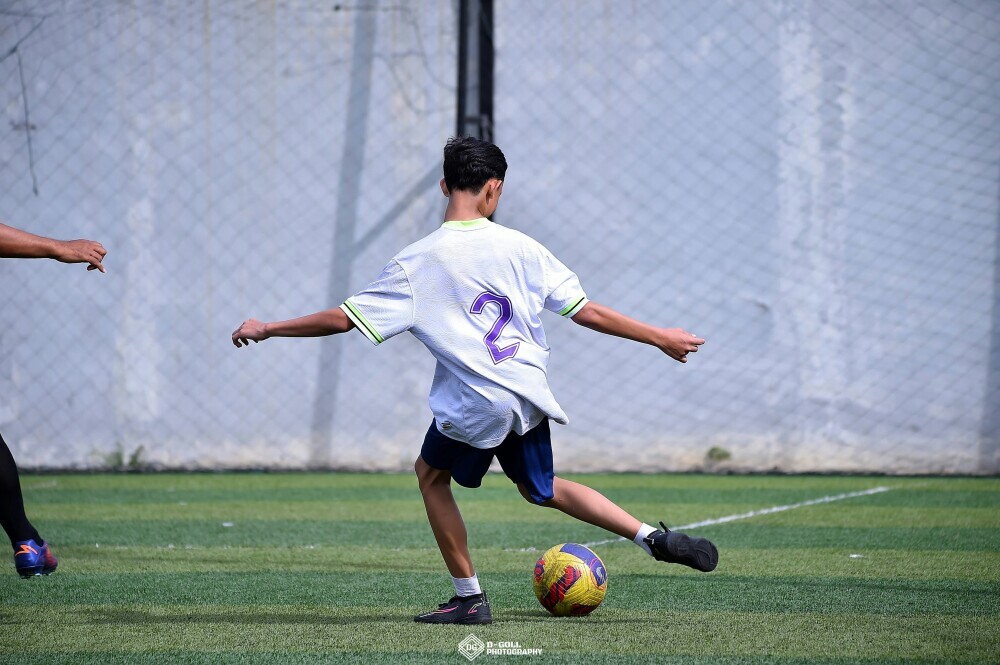
Mixing fun and friendly challenges keeps anxiety low and energy high.
With every extra smile and laugh, players relax, get braver with the ball, and build skills that will stick for the long haul.
Over time, engagement shapes not just their finishing but also their overall enjoyment of the game, which is the real win.
Core Principles of Engaging Soccer Scoring Drills
- Prioritize accuracy before worrying about power: Hitting the corners or inside posts consistently is more useful than wild blasts.
- Max out touches for every player: Drills that keep everyone shooting, passing, or running mean more improvement and less standing around.
- Keep drills short and high-paced: No one wants to shoot once every five minutes. Quick rotations and timed challenges do the trick.
- Use clear success goals: Cones, minigoals, or point scoring; giving players something visible to aim at makes things competitive and easy to track.
- Layer in pressure gradually: Start simple, then add speed, defenders, or other twists as players get comfortable.
These principles apply from grassroots all the way through advanced levels.
They boost energy and focus, ensuring every session hits its targets for both learning and enjoyment.
Recommended Equipment for Fun and Productive Scoring Drills
Certain training tools make scoring drills way more effective and enjoyable.
Here’s what I always find helpful at practice or in the backyard:
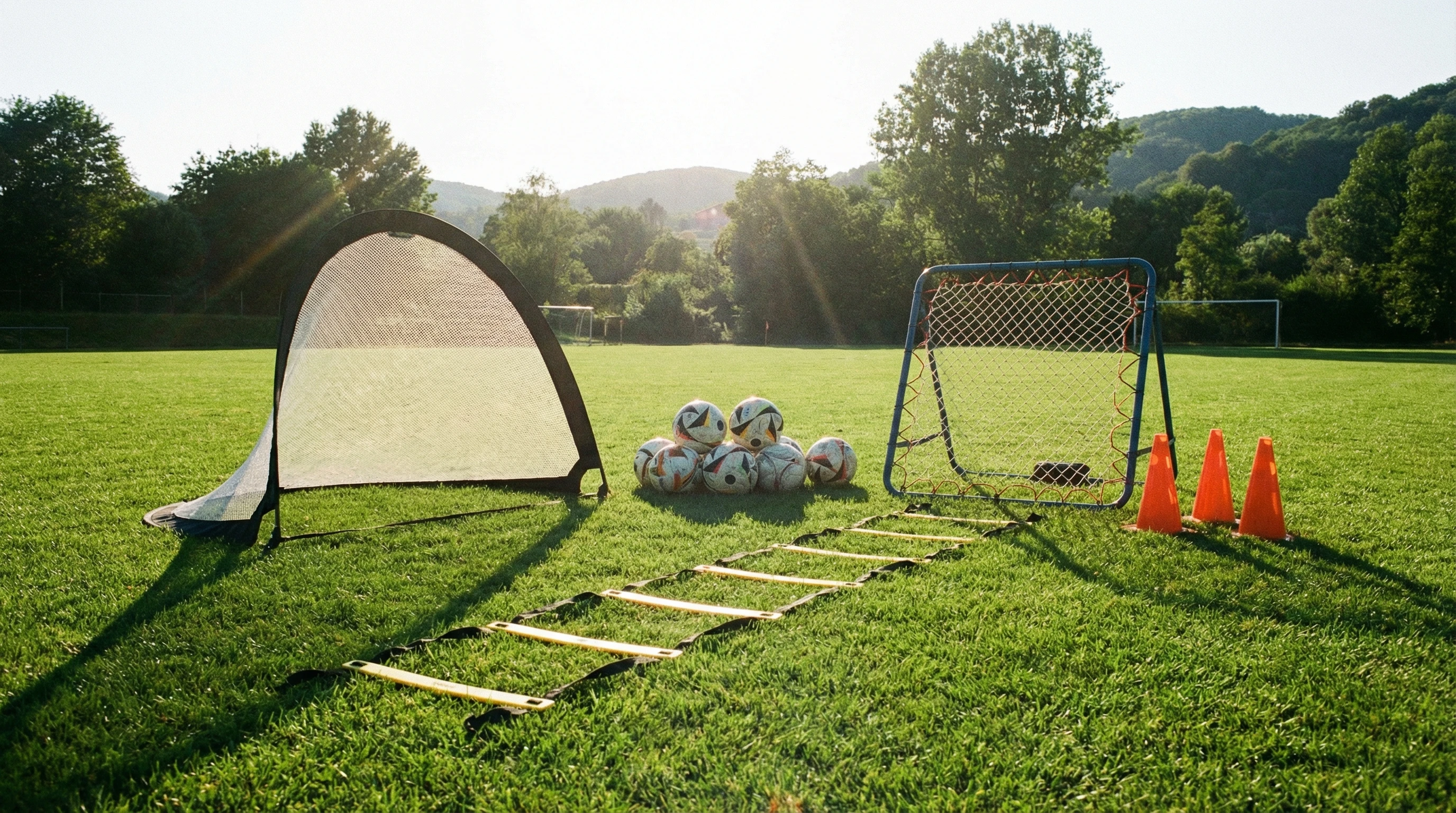
- Pop-up Soccer Goals: Flexible and portable for smallsided games and shooting setups. I use these for everything from target practice to minitournaments.
- Soccer Shooting Targets: Clip these inside goals to give players zones for placement practice. They’re super useful for improving aim and getting goalies involved.
- Rebound Nets or Rebounders: Bounce passes or shots back for nonstop play. These are ideal for solo finishers or twoplayer games, letting players keep moving and stay sharp.
- Training Cones and Disc Markers: Essential for marking shooting areas, setting out dribbling paths, or creating targets for zone challenges.
- Agility Ladders: Combine footwork with shooting transitions. Adding agility work to shooting gives both skills a boost, building link play and coordination.
- Size Appropriate Balls: Younger kids should use size 3 balls, while size 4 or 5 works best for older players; the right fit makes shooting practice more realistic and a lot less frustrating.
Quality gear isn’t about spending big.
Simple setups with balls, cones, and portable goals can turn almost any space into an effective finishing lab, supporting improvements session after session.
Warm-Up Games to Lead Into Scoring Drills
Warming up with soccer is more than just stretching.
Getting the team’s brains and feet moving together makes the transition into shooting much smoother and keeps injuries down.
Here are my favorite warmups that get players thinking about the goal right away:
- Dribble and Shoot Races: Sprint, weave through cones, finish with a shot before your competitor. Players love the race aspect, and it sets a fun tone for practice.
- Reaction Shooting Games: Coach tosses the ball randomly to players at the edge of the box; they must react quickly and shoot before the keeper sets. It keeps everyone alert and supports quick thinking.
- Passing Circles with Finishes: Quick passes around the edge with a sudden pass to a runner who shoots on goal.
I like to remind players to keep touches light and focus on getting the ball under control, not just smashing it right away.
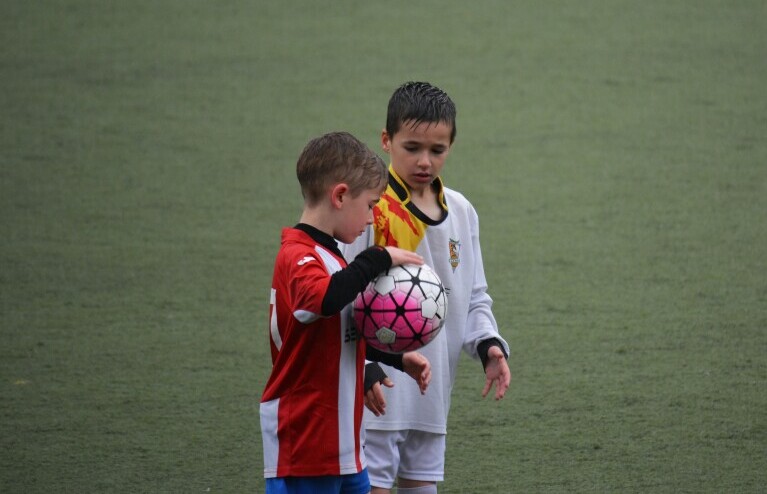
Keeping things energetic builds confidence before you move into tougher drills.
Adding a few laughs early on helps everyone shake off nerves and get ready to tackle the main session full speed.
Engaging Beginner Scoring Drills (Low Pressure)
When you’re working with newbies or young players, giving them lowstress chances to finish is really important.
It helps build comfort, coordination, and love for the game.
Here are some drills that always get smiles and lots of improvement:
- Knockdown Targets: Set up cones or bottles in the corners of the goal. Players race themselves or each other to see who can knock down the most in a set number of shots, blending accuracy and fun.
- Dribble and Finish Game: Every player dribbles toward the goal from a start point, fakes a move at a cone, then tries to score. You can time this for a challenge, or keep things relaxed and focus on control and creativity.
- Shoot the Zones Challenge: Use cones to section off target areas (like top left or bottom right). Give points for hitting different zones, focusing on accuracy over strength. It builds good habits for finishing.
For these early sessions, praise effort, creativity, and improvement, not just the final result. Players become comfortable shooting and positive habits stick fast. The main goal here is enjoyment and steady progression, creating a solid base for later, more advanced exercises.
Game Based Shooting Drills with Movement
Scoring in a real match rarely means standing in one spot and smashing a ball at a stationary target.
Drills that mix passing, movement, and changes in pace bring things closer to what happens on game day.
Movement connected to finishing keeps training realistic and turns every rep into a mini challenge, getting players ready for fast, game-like situations.
- Pass, Move, Shoot Game: Players pass between each other before one breaks away to finish on goal. It adds running, timing, and group decision-making: who shoots, who creates space.
- Give and Go Finishing Drill: Pass to a teammate, follow your pass, receive a return just outside the box, and take a shot. Timing and movement become natural habits.
- Timed Shooting Challenge: Players have 20 or 30 seconds to score as many goals as possible from different angles, picking up their own rebounds as quickly as possible. Pace and concentration climb fast.
These types of drills reward thoughtful movement and on-the-spot thinking while keeping players active and their minds sharp.
Varying setups regularly works wonders in making even experienced players better at finishing under dynamic conditions.
Competitive Scoring Drills That Motivate Players
Nothing turns up the intensity and excitement at practice quite like a good dose of competition.
Just keep it friendly and encouraging, making sure everyone gets a fair shot.
Here are some quick competitive scoring ideas that work with all age levels:
- Team Shooting Challenge: Split into teams, give each a set number of shots or a time limit, and see who scores most. Keep games short and energetic so excitement never drops off.
- Countdown Goal Games: Each player has, say, five seconds to score after starting from a marked spot. The countdown adds pressure and energy, making every attempt count.
- Accuracy vs Speed Race: Players compete for most goals in a short time, but shots must hit marked zones to count. This mixes skills and cranks up the fun.
I always keep competition positive; lots of quick rotation, highfives, and encouragement.
That way, everyone gets plenty of touches, stays motivated, and avoids feeling left out.
Engaging 1v1 and Small Group Finishing Drills
Attackers and keepers both love these drills.
They’re packed with live action and closely mimic what they’ll see in games.
These drills teach players to relax under real-time pressure and find solutions without overthinking:
- 1v1 Finishing versus Goalkeeper: Attacker starts with the ball facing a goalkeeper from 10 or 15 yards out. After one touch, they shoot. Rotate keepers and attackers often for variety and learning opportunities.
- 2v1 DecisionBased Drill: Teams of two attack a single defender. The extra player has to decide when to pass or finish, which teaches composure and sharpens the ability to read defenses under stress.
- Transition Shooting Game: Small teams transition from defending to attacking and try to score within a set time or number of passes. This drill is fast-moving and teaches players to switch mindsets without missing a beat.
These drills boost confidence, shot selection, and quick thinking.
They’re also exciting and a highlight of most training sessions, making them a surefire way to keep engagement levels high.
Small Sided Games That Improve Finishing Instincts
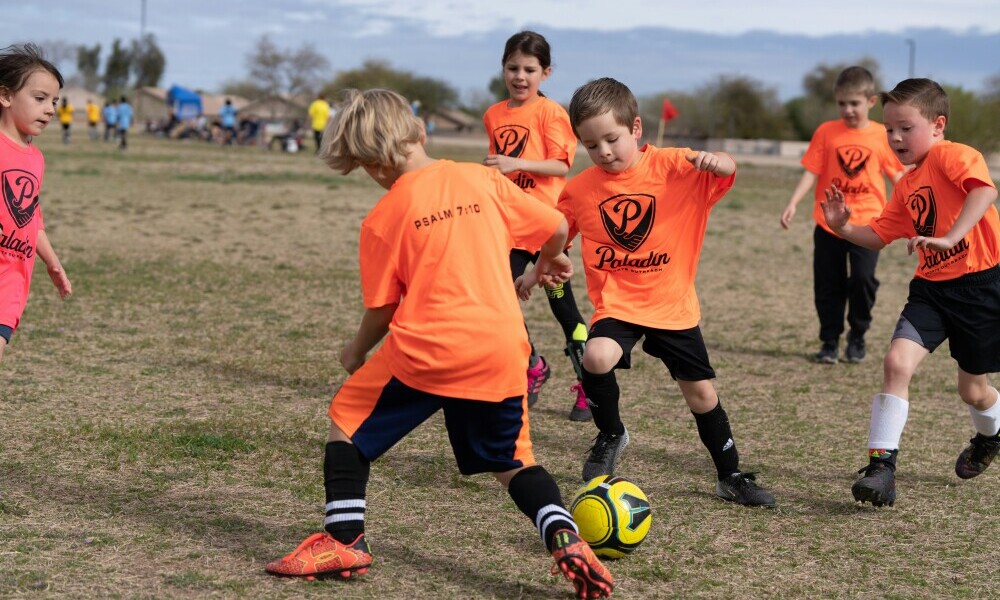
One of the best training hacks I’ve seen is to switch practice into smallsided matches.
With fewer players and smaller fields, everyone gets more ball time, more finishing attempts, and learns to react quickly on the fly.
It’s a natural way to sharpen instincts and confidence around the goal.
- 3v3 with Shot Limits: Only allow a certain number of passes before teams need to shoot. This setup reduces hesitation and encourages faster decisions plus lots of goalmouth action.
- Goals Only Count from Inside the Box: Players must combine and make runs to finish close to the goal. This trains timing and positioning, skills that always pay off come match day.
- Bonus Points for OneTouch Finishes: Players get creative, look for quick passes, and practice reacting fast in front of net. This game is always a player favorite and brings the best out of quick thinkers.
Small-sided games speed up composure, even for quieter or newer players.
Plus, there’s usually plenty of laughter and lots of high-energy moments to keep spirits up.
These games provide a fun and effective way to build quality finishing under realistic pressure.
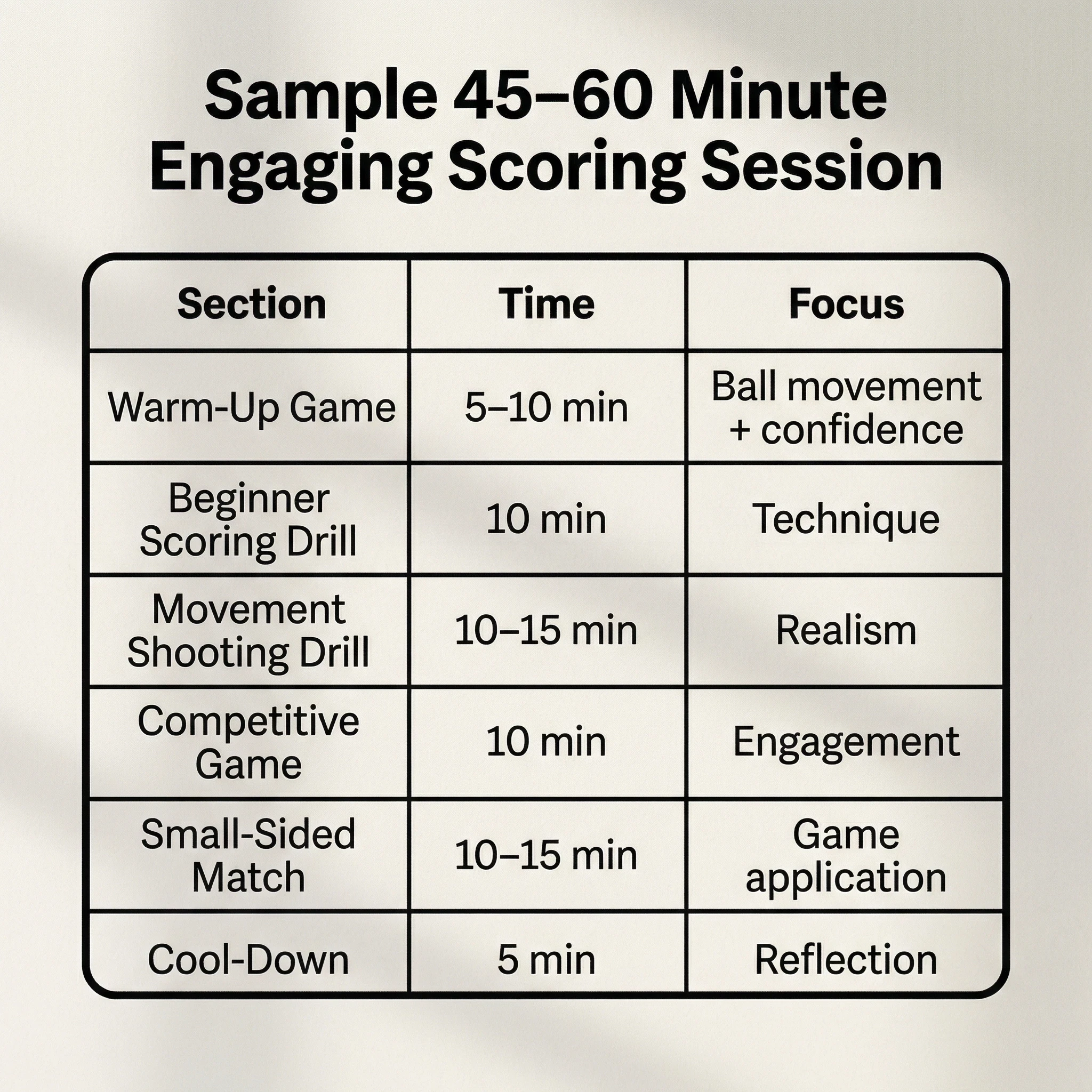
I’ve found this session flow works great whether coaching a team, running a camp, or hosting backyard practices.
Keeping things moving avoids boredom and gives every player a shot—literally and figuratively.
Adjust timing based on group size and energy for best results. Including a quick review at the end helps players recognize progress and finish with a positive note.
Common Mistakes That Lower Engagement and Results
- Long, boring lines. Players lose interest if they spend too much time waiting and not enough playing.
- Too much talk, not enough reps. Overexplaining technique takes valuable time away from actually shooting and learning by doing.
- Repeating the same drills every session. Variety is vital for keeping energy and improvements high.
- Too much focus on power; accuracy and decision-making deserve equal attention.
- Overlooking the fun factor. Every age and skill level gains from a training vibe that’s positive and energetic.
Mixing up drills, rotating groups, and keeping everyone involved are simple ways to take practice up a notch.
The payback is more smiles, better play, and stronger team bonds.
Ways to Progress and Glow Up Scoring Drills
- Bump up speed and drill tempo before adding pressure or defenders. That way, players keep growing confident as things get tougher.
- Start with open shots, then mix in passive defenders, and finally increase challenge as skills improve. Steady layers keep players moving forward without feeling overwhelmed.
- Shrink the field or target area to force sharper accuracy and decision-making for every shot. Players learn to make every opportunity count.
- Invite shots with the weaker foot. This builds skill, courage, and adaptability for real game scenarios. Versatility means more ways to score!
Slow progressions keep players engaged, making scoring more challenging over time without unnecessary frustration.
The best part is watching their confidence and creativity bloom as they tackle new challenges and let their skills flourish.
FAQs – Engaging Scoring Drills for Soccer
How often should players practice scoring drills?
Even just one or two focused shooting sessions each week brings big benefits. Consistency, not marathon sessions, builds the best improvement.
Short, sharp bursts are better than grinding through long, tired practices.
Are fun scoring drills still good for older or serious players?
Fun and intensity are not opposites; pro teams use competition and game-like drills to keep the best in the world sharp.
Motivation doesn’t stop at youth soccer, and even top players enjoy energetic, positive practice sessions that test their creativity and drive.
Can these drills be practiced at home?
Absolutely.
Many drills—like knockdown targets, shooting zones, and quick finishing games—can be set up in a backyard or park with simple equipment.
Imagination and a few cones or targets can turn almost any open area into a top-class shooting ground.
What age should players try competitive scoring drills?
As soon as kids are comfortable with basic ball control and enjoy mini games, adding friendly competition works wonders.
Keep it positive and focused on personal and group development, not just winning at all costs.
Boosting Soccer Scoring Skills Through Engagement
Keeping scoring activities fresh, competitive, and game-like is the fastest way to help players of any age improve shooting skills, timing, and decision-making.
When drills are fun and challenging, players naturally take more chances, sharpen their techniques, and grow in confidence.
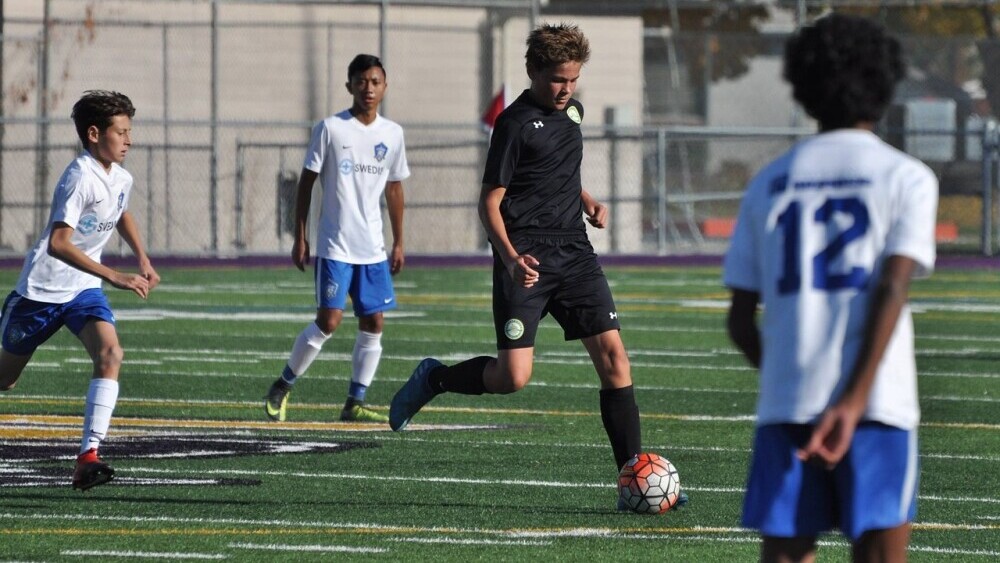
Rotating drills and staying creative with games and equipment helps keep everyone eager to train and ready to develop their finishing instincts.
If you’re looking for more ways to add some variety, check out related guides:
How To Improve Goal Scoring Techniques For Beginners,
Shooting and Finishing Drills for Youth Soccer, or
How To Create A Soccer Shooting Practice Routine For Beginners.
Here’s a little transparency: Our website contains Amazon affiliate links. This means if you click and make a purchase, we may receive a small commission. Don’t worry, there’s no extra cost to you. It’s a simple way you can support our mission to bring you quality content.”