
Analyzing goal-scoring techniques in youth soccer is much more than just counting goals.
What truly helps coaches and parents is looking at how a player gets into a scoring spot, why they choose a certain shot, and what happens next, whether or not the ball finds the net.
Watching body positioning, shot selection, timing, and decisions made in real game situations offers important insight into a player’s strengths and areas that need work.
This careful observation lets coaches and parents support young players as they build up their skills and confidence in front of goal.
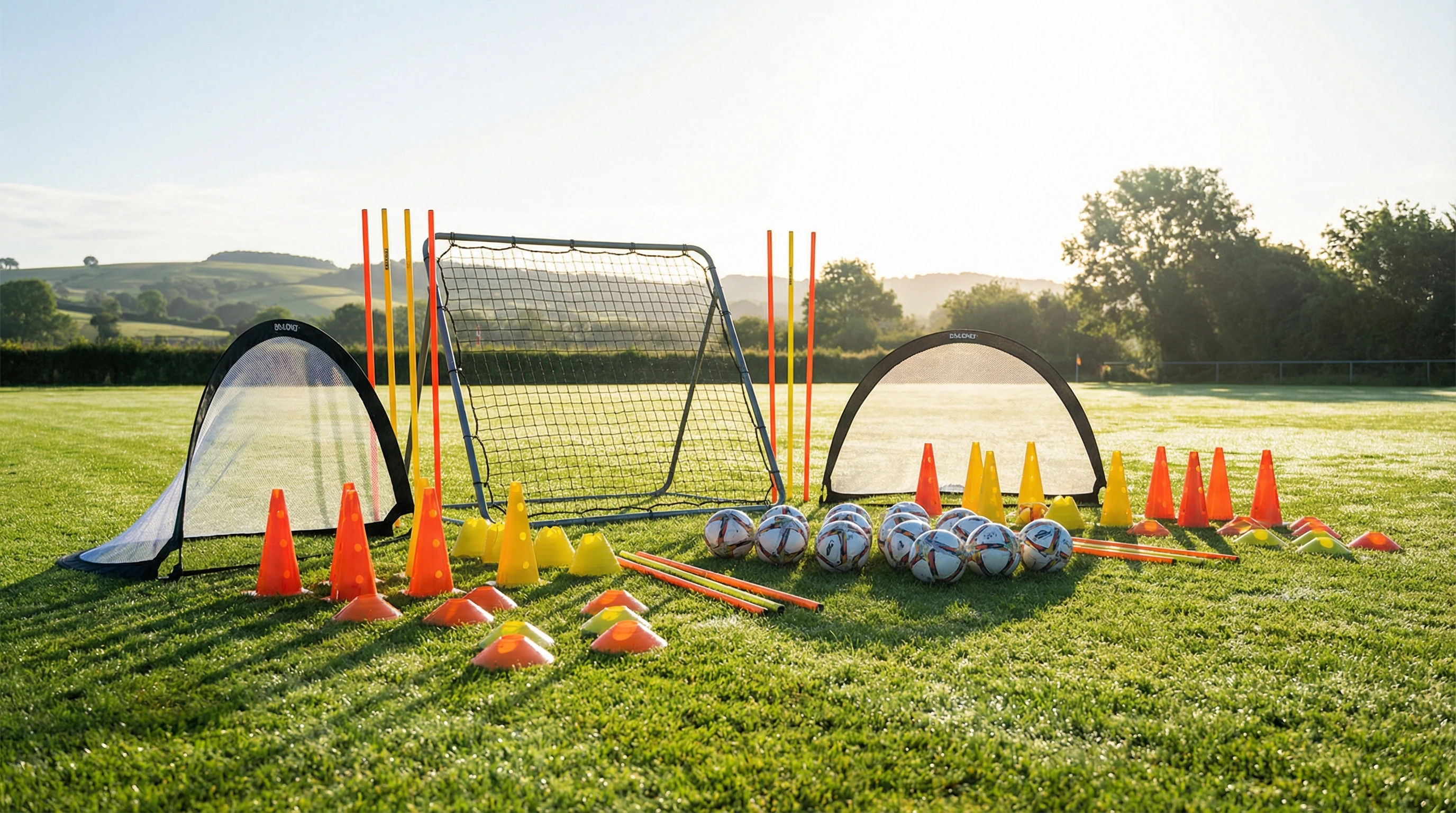
How to Analyze Goal-Scoring Techniques in Practice
Breaking down an attempt on goal keeps things clear and helpful.
I like to break each attempt into four simple phases:
i) preparation (movement and getting set up),
ii) execution (the actual shot),
iii) decision-making (why a player picked a particular shot),
iv) and the result (did it hit the target, force a save, or miss altogether).
For most youth players, this works especially well when you pair it with practical training using simple drills and offering age-friendly feedback.
Tools like videos and progress sheets are excellent for tracking growth, so both parents and coaches can provide better support in every session.
Why Analyzing Goal-Scoring Matters for Youth Players
Kids can score by luck or skill, but developing a habit of analyzing goal-scoring the right way really moves the needle.
Instead of only looking at the scoreboard, focusing on technique and in-the-moment choices helps players grow faster and boost their self-belief.
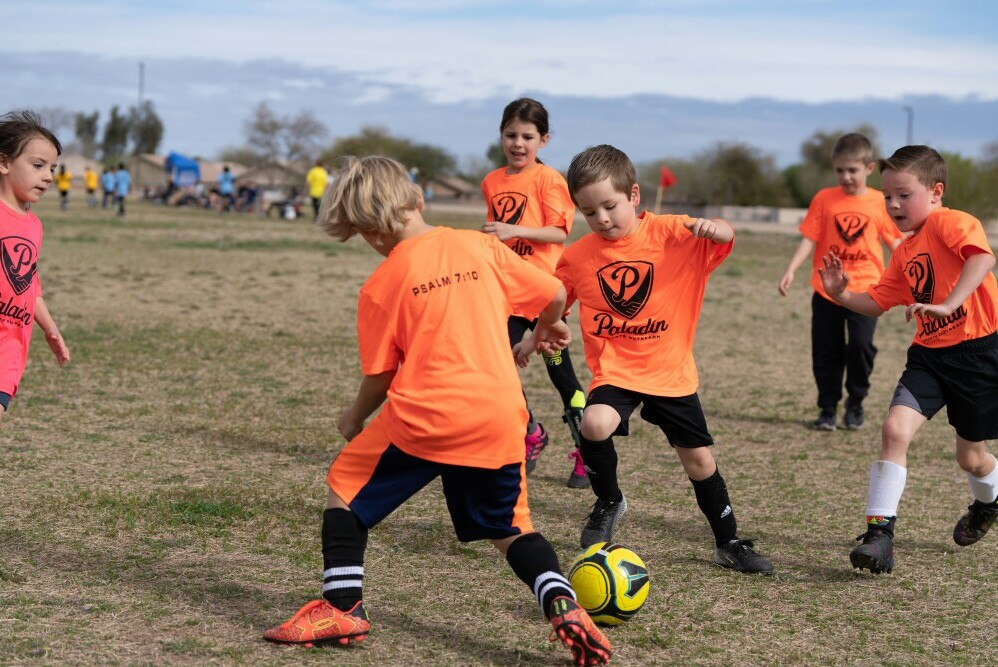
This process helps catch quirky habits before they turn into big hurdles later.
Supportive feedback ensures young players head in the right direction, making smart choices in front of goal—choices that will stick with them for seasons to come.
Main Elements to Analyze in Youth Goal-Scoring
Breaking down every goal chance helps coaches, parents, and young players keep things simple.
Here’s what I always watch for in each shot:
- Body balance and posture: Check how steady the player is before and during the shot.
- Plant foot placement: Notice where the supporting foot lands; it usually sits right next to or just behind the ball.
- Contact surface: Watch which part of the foot (inside, top, toes) is used—different finishes prefer different approaches.
- Shot accuracy vs power: Consider if the shot is well-aimed. Sometimes young players chase power but lose control.
- Follow-up after the shot: Does the shooter watch and wait, or are they already chasing a possible rebound or second ball?
Decision-Making in Front of Goal
The top finishers at youth level aren’t always those with the strongest leg; they’re often the ones making sharp, quick decisions.
These choices might include:
- Shooting first-time or after a touch: Occasionally, stepping straight into the shot is better than stopping for a touch—other times, taking that extra touch creates a clearer chance.
- Choosing placement over force: Aiming for a corner and keeping the shot on target almost always trumps pure power. Help young players see those moments to use the inside of the foot.
- Spotting the goalkeeper’s spot: Remind players to peek up, find out where the goalie is, and pick their spot smartly.
- Using space and angles: The way a player angles their run and slips into open areas can be as important as the technique of their shot.
Learning to size up these decisions in quick-moving, sometimes chaotic games is a major part of youth soccer development.
Movement Before the Shot: Timing and Preparation
The best goals often come from what happens before the shot itself. Here are a few practical angles to check out:
- Timing runs into the box: Arriving at the perfect moment often opens up space for quality chances.
- Shooting while moving: Not all attempts are from a stop. Many finish chances come while on the run—this is a key milestone for youth players.
- Adjusting the body when under pressure: Can the player still get a strong shot off when a defender appears or the goalkeeper rushes out?
- Jumping on rebounds: Kids who stay alert after a first shot often pick up easy goals. This persistence is easy to spot and priceless to encourage.
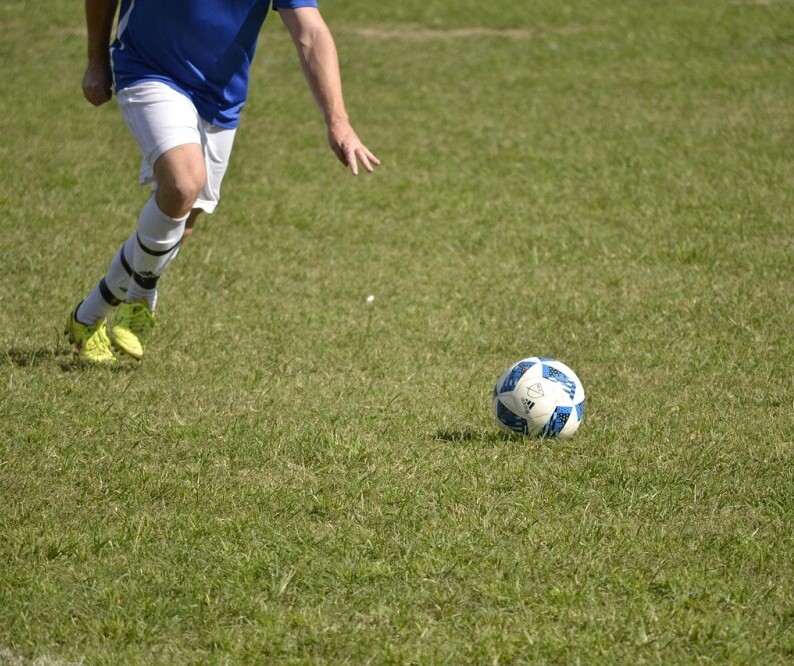
Training Drills to Analyze Goal-Scoring Techniques
Purposeful drills are crucial for both analyzing and improving finishing.
Over many training sessions, I’ve found these types are especially valuable:
- Shooting drills with set targets: Give each drill a specific purpose—maybe it’s finishing from passes, or picking out the lower corners.
- Repetition drills to build muscle memory: Letting players practice the same situation over and over helps both you and them see improvement clearly.
- Drills built around real game moments: Small-sided activities or attacker versus defender drills bring pressure and bring out real habits.
Run these drills consistently, and you’ll have no trouble tracking growth.
Want more?
Check out Shooting Drills for Youth Soccer for extra practice ideas.
Using Video Analysis to Help Youth Players Score More
Videos have made things much clearer.
Even a phone clip can slow things down enough for real learning moments.
Here’s how I put video to work with young players:
- Slow-motion replay: Watching the shot in slow-mo helps players notice foot position, confidence, and more.
- Holding on a freeze-frame: Stopping the video at the moment of impact gives a crystal-clear look at what’s happening.
- Comparing strong and weak attempts: Placing video clips side by side helps kids understand what to change.
- Keeping feedback positive and direct: Focus on one element at a time—young players do best with encouragement and small adjustments.
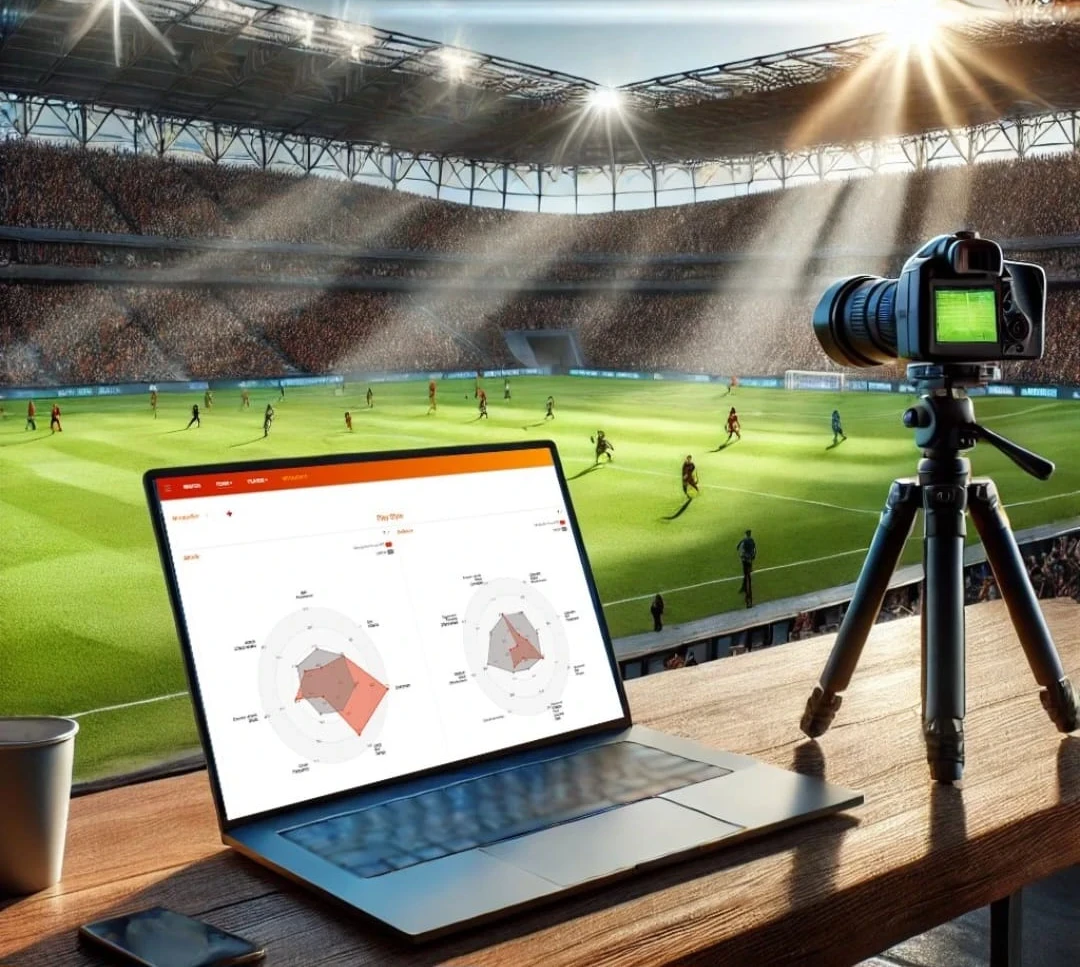
Handy Tools and Equipment for Analyzing Youth Goal-Scoring
The right gear makes analysis more fun and more effective.
I recommend that coaches and parents working with youth soccer consider:
- Tripod or simple phone mount: Use this for steady recordings of drills and games to boost video quality.
- Rebound net (rebounder): This lets kids practice first-time finishing while you watch their prep and shooting.
- Soccer shot targets: Stick these in your goals so players can dial in on aiming at the corners every session.
- Pop up goals: These are ideal for mini games or moving the action anywhere on the field.
- Training cones/disc markers: Mark out shooting spots, run-up lanes, or target zones for better focus.
- Notebook or simple clipboard: Jot your thoughts, track trends, or let players write down their own observations.
With a little creativity, these tools make tracking and learning quick and enjoyable.
Simple Metrics to Track Progress in Youth Goal-Scoring
Tracking growth doesn’t need complicated spreadsheets or fancy software. I focus on a few plain markers with my players:
- Number of shots on target out of all attempts
- Goals scored from inside close range
- Attempts using the weaker foot
- Time between receiving the ball and deciding to shoot
- Steady growth in these areas across training sessions
Shining a light on these keeps kids motivated while making things easy to track.
Common Mistakes When Analyzing Youth Goal-Scoring
- Putting too much emphasis on goals: Sometimes excellent technique doesn’t lead to a goal, but it’s still real progress.
- Being overly harsh on errors: Misses happen! Building confidence comes from positive feedback and learning, not just corrections.
- Comparing kids side by side: Growth matters most, especially for younger kids, rather than always looking at who scores more.
- Overlooking confidence and attitude: A kid who feels good about trying will keep improving and bounce back after tough moments.
How to Give Better Feedback to Youth Players
Good feedback is a cornerstone of fast progress. Here’s my method for guiding players right after a shot:
- Point out something they did well—maybe the way they set up, their determination, or their shot choice
- Offer just one tip for what to try next, so suggestions don’t get overwhelming
- Be specific with advice—if a shot rolls wide, suggest aiming for the far post next try
- Let them talk about what they noticed or felt—self-reflection is very helpful for young athletes
Sample Youth Soccer Goal-Scoring Analysis Session
Here’s how a typical analysis session might run with kids:
- Warm up together using easy finishing tasks to ease players into a positive mood
- Move to a shooting drill while the phone records, using your tripod or a simple stand
- Pause for a moment to review one or two attempts with slow-motion—shine a light on what went right
- Play a small-sided game (like 3v3 or 4v4) to give everyone real chances to score
- End with a quick, cheerful feedback circle and let players bring up one thing about their effort
FAQs – Analyzing Goal-Scoring Techniques in Youth Soccer
At what age should kids start analyzing finishing techniques?
Kids as young as 7 or 8 can get the basics as long as everything stays positive and simple. As players get older, you can add more detail to the analysis.
How often should you look over shots or finishing sessions?
Reviewing once a week for in-season players is plenty. This keeps the skills sharp while avoiding burnout.
Does video really help in youth soccer?
Absolutely, but avoid overdoing it. Keep videos short—kids love seeing themselves improve, and it helps them make connections.
Is technique or decision-making more important for young players?
Both matter, but in the earliest stages, sharp decisions will lead to more progress and confidence.
Why Simple Analysis Works Best for Youth Soccer
Breaking down finishing skills helps young players know what to focus on and practice next, all without piling on unnecessary stress.
By using targeted drills, simple gear, and friendly, positive feedback, coaches and parents can give a boost to confidence and help grow consistent finishers.
For even more tips and guides, check out these related resources:
- How To Improve Soccer Scoring Skills for Beginners
- How To Create a Soccer Shooting Practice Routine for Beginners
- Youth Soccer Drills: The Complete Guide for Coaches and Parents
Please leave your questions, opinion or experience in the comment section below and I promise to get back to you.
Happy soccer season.!!!!!!!!!!!!!!!
Here’s a little transparency: Our website contains Amazon affiliate links. This means if you click and make a purchase, we may receive a small commission. Don’t worry, there’s no extra cost to you. It’s a simple way you can support our mission to bring you quality content.”