
Scoring goals in soccer can seem tough for beginners, but boosting your finishing skills is totally possible with some straightforward steps.
If you’re hoping to put the ball in the back of the net more often, it comes down to mastering the basics.
That means focusing on good shooting form, working on accurate shots instead of only power, and logging plenty of practice with simple finishing drills.
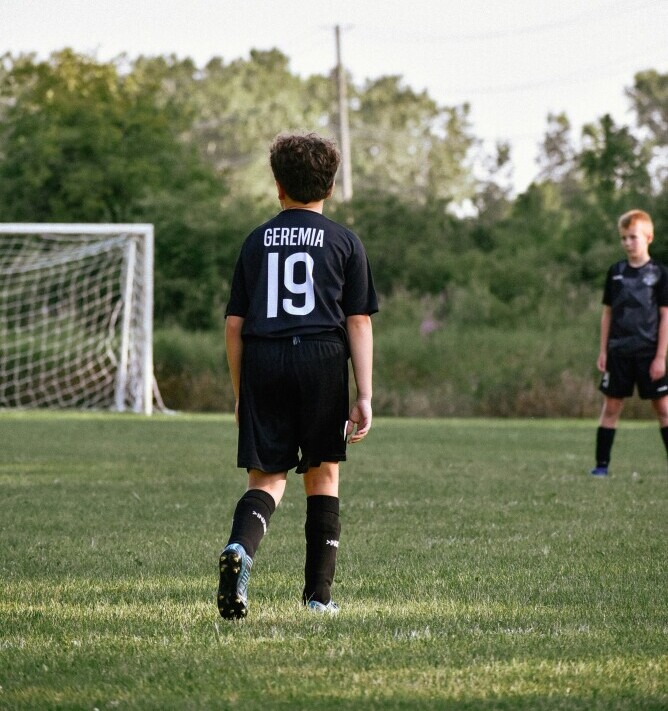
These steps help build trust in your abilities, better balance, and consistent habits around the goal—especially in low-pressure settings that copy real game moments.
Kick things off by working on close-range shooting where you can concentrate on technique without dealing with a ton of pressure.
Add some movement or a basic pass before each shot for a more realistic feel.
As you get used to it, gradually introduce light pressure or fun competitions.
Practicing two or three times a week with short, focused drills works well for most new players.
Below, I’ve mapped out what you need to know: what to practice, how often to train, the best drills, and some tools that make learning more engaging and, honestly, more effective.
Why It’s Tough for Beginners to Score Goals in Soccer
A lot of rookie players find finishing much trickier than they initially expect.
There’s usually a strong urge to rush shots or swing too wildly at the ball.
If you lose your balance or put too much focus on power, the result is often a shot that flies over the bar or goes straight to the keeper.
And truthfully, being afraid to miss can get into your head and stop you from taking shots.
Creating opportunities is one thing, but capitalizing on those chances is a different skill set.
Staying calm in the moment and believing you can score matters; sometimes it’s even more crucial than fancy technique.
Core Principles Beginners Should Know to Score More
- Accuracy first, power second: Think about hitting the target before trying to hammer the ball past the goalie.
- Good balance and foot placement: Stay steady as you shoot by planting your non-kicking foot alongside the ball and leaning just a bit forward.
- Don’t overdribble: Take your shot when the window opens, instead of dribbling until you run out of space or angles.
- Chase your shots: Always follow up after your shot in case of a rebound or if the ball gets loose.
- Use both feet: Work on shooting with your weaker foot from the start. This unlocks more options when defenders are tight on you.
Recommended Equipment to Boost Scoring Skills
The right gear makes it easy, whether you’re practicing at home or out on the pitch. Here are some soccer training items that are really useful for any beginner looking to improve finishing:
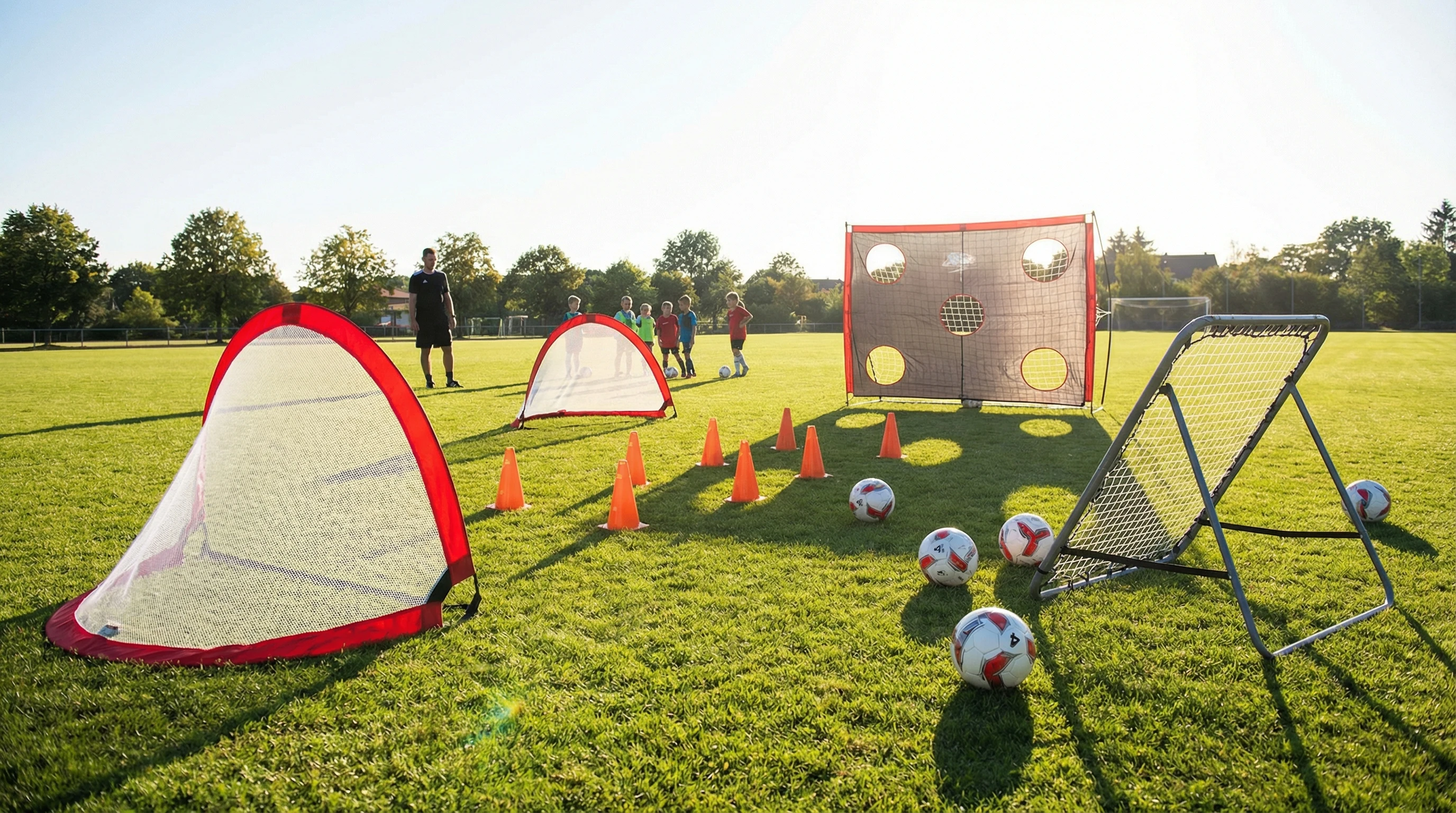
- Popup Soccer Goals: Small, foldable goals are great for backyard or park training—they’re simple to set up and take anywhere.
- Soccer Shooting Targets: Clip them onto any goalpost or net to train pin-point shooting and spice up repetitive drills.
- Rebound Nets / Rebounders: These return the ball for solo shooting or passing drills; perfect when you’re working by yourself.
- Training Cones & Disc Markers: These let you set up shooting zones, create pathways for dribbling, or mark targets for accuracy contests.
- Size-Appropriate Soccer Balls: Make sure your ball fits your age group—kids should use Size 3, while older beginners go for Size 4 or 5.
Warm-Up Exercises to Get Ready for Shooting
Before you let loose a bunch of shots, a proper warm-up can help you get better results and keep injuries at bay. Here’s an easy routine to get started:
- Start with light dribbling using both feet; this wakes up your touch and foot coordination.
- Mix in dynamic stretches such as leg swings, squats, and gentle hip rotations to loosen your muscles.
- Round out your warm-up with some passing drills, finishing each pass with a quick shot on goal. This way, both your mind and body are keyed in for scoring chances.
Basic Shooting Techniques for Beginners
Solid, uncomplicated mechanics make a massive difference for new players.
Try to get comfortable with these shooting techniques:
- Insidefoot placement shot: Use the inside of your foot for greater accuracy, especially up close. It’s the best way to keep the ball low and on target.
- Instep (laces) shot: For more distance and power, strike the ball’s center with your laces with your ankle locked tight.
- Plant foot: Plant your non-kicking foot beside the ball, pointing at your target, for improved direction control.
- Body position: A slight forward lean keeps your shot low and easier for you to control—instead of blasting way over the goal.
- Shoot with both feet: Alternate feet frequently; it’ll make you unpredictable and harder to defend against.
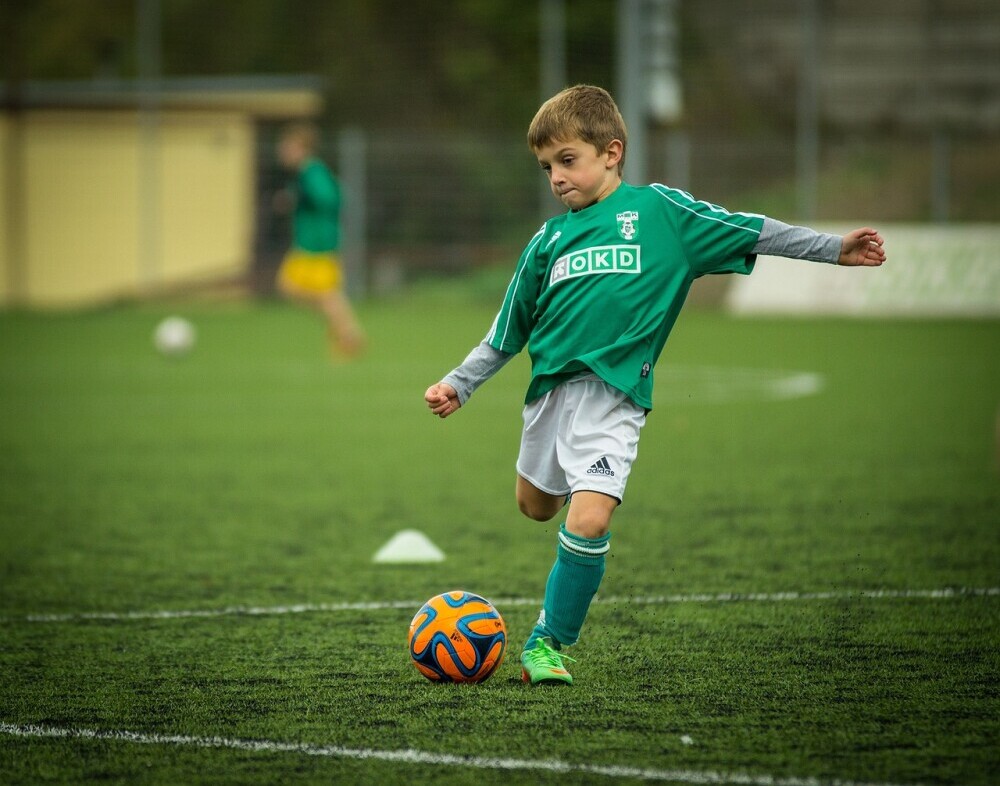
Low-Pressure Shooting Drills (High Reps, Low Stress)
One of the fastest ways to get better at scoring is by cranking out consistent reps without any big pressure.
Here are drills that can get you there:
- Stationary ball shooting: From 6-10 yards out, aim to hit corners or side-netting. Focus on fluid motion rather than smacking the ball hard.
- Dribble and shoot drill: Approach goal with a slow, controlled dribble, then take a placement shot. Add cones if you want a dribbling challenge.
- Closerange finishing: Stand just a few yards from the goal and shoot quickly with short swings. The goal is to get the ball in rapidly using little backlift.
It’s all about perfecting your technique and building rhythm. Consistency and confidence grow with every clean repetition.
How to Improve Finishing With Movement
In real matches, you rarely get to shoot standing still. Here’s how to practice scoring while in motion:
- Pass and shoot: Start away from the goal, pass to a partner or off a rebounder, and finish on your first or second touch.
- Shoot after short sprints: Sprint or jog a few meters, receive the ball, and shoot quickly. This builds speed and reaction timing.
- Timed runs: Make a curved or diagonal run to the shooting zone and score right away. It helps hone timing and real-game instincts.
Since most goals are scored while on the move, these workouts translate directly into on-field success.
Simple 1v1 Finishing Drills for Beginners
After technique drills come simple, light competitive drills. Facing even a standin goalie (like a parent, coach, or friend) teaches you to make better decisions in tight moments. Try these drills:
- Controlled 1v1s: Dribble at goal while a keeper approaches. Focus on remaining calm and picking your spot instead of firing wildly.
- Chase-and-finish: From a starting marker, race with a partner toward a rolling ball and see who can score first. This sharpens your burst, composure, and decision-making.
Close to goal, a calm, well-placed shot will beat a wild attempt almost every time.
Learning that focus is where most new scorers find success.
Using Small-Sided Games to Build Scoring Skills
Small games (like 3v3 or 4v4) are fantastic for new scorers since they offer way more touches, shots, and quick decisions.
Here are some playful rules to keep things focused on finishing:
- Count only goals scored from inside a premarked area (e.g., within the penalty zone).
- Put a cap on passes before you must shoot; this forces quicker decisions and encourages shooting rather than passing endlessly.
- Give extra points for weaker-foot finishing, creative shots, or impressive teamwork moments.
These tweaks make competitions more exciting and reward gutsy attempts at goal.
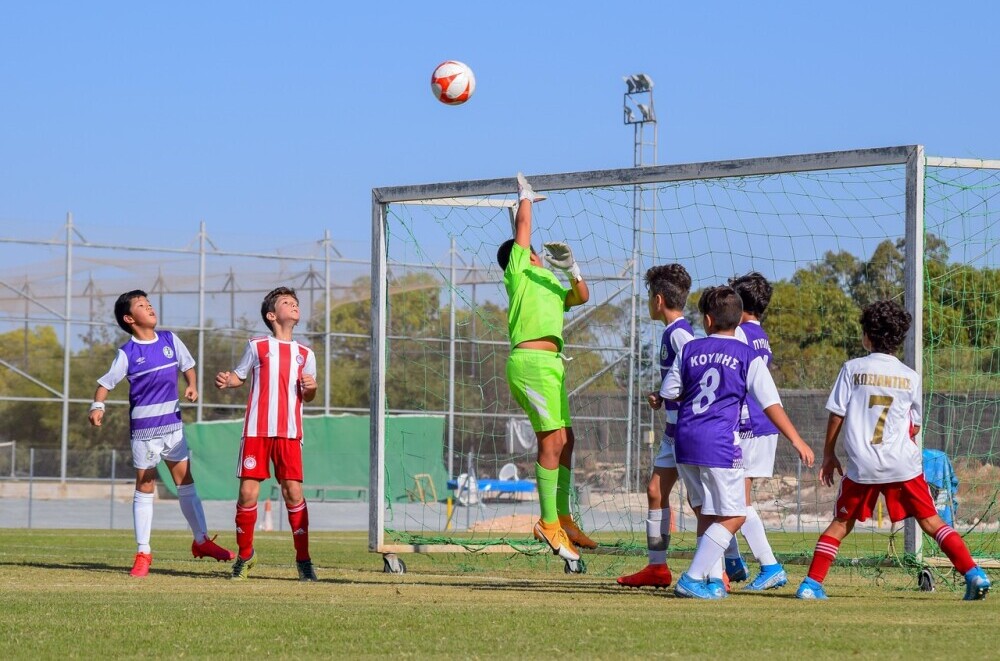
How Often Should Beginners Practice Scoring?
Improvement comes consistently if you practice finishing about two to three times a week.
Short, targeted sessions (about 15–30 minutes) are more productive than dragging it out.
Keeping the drills familiar lets you build muscle memory and self-trust much faster than constantly switching things up.
Common Scoring Mistakes Beginners Make
- Going for full power over accuracy and sending shots flying off target.
- Taking too many touches, which gives defenders a chance to catch you or narrows your shooting angle.
- Only trusting your stronger foot, which makes you predictable.
- Dwelling on missed shots; everyone, even the best, miss sometimes. It’s about learning from each attempt.
Progressions: How to Take Up a Notch Your Finishing Skills
- Try to score faster; reduce the gap between receiving the ball and shooting.
- Add some defensive pressure, like a friend jogging at you as you prep your shot.
- Commit to finishing with your weaker foot every session.
- Practice scoring from wider or trickier angles; don’t always shoot from front and center.
FAQs – Improving Soccer Scoring Skills for Beginners
How long does it take to get better at scoring?
Most kids and newer players spot an improvement within several weeks if sticking to 2–3 practices each week.
Confidence and accuracy increase quickly when you keep it enjoyable and repeat the same drills often.
Should beginners work on power or accuracy?
Accuracy should always come first.
Hitting your mark will help you score more now, and power will naturally build as you get more comfortable and confident.
Is it normal to miss shots?
Completely normal.
Even pro strikers miss all the time. Learning happens through mistakes and persistence; just regroup and try again.
Can you practice finishing alone at home?
Absolutely.
With a soccer ball, a small popup goal, or a rebound net, you can work on shooting, control, and aiming almost anywhere—backyard, driveway, or even indoors if you have a soft ball.
Wrapping Up: Final Thoughts on Building Soccer Scoring Skills
Scoring goals is a skill you can grow with steady practice, honest patience, and a sense of fun.
It’s not a magic talent that just a few have but something anyone can build by getting in reps, bouncing back from misses, and keeping their routines enjoyable.
Stick to your plan, and you’ll keep improving—whether you play, coach, or support a young soccer fan.
If you want extra drills and structured practice routines, check out more guides: Shooting Drills for Youth Soccer, How To Create a Soccer Shooting Practice Routine for Beginners, and Youth Soccer Drills: The Complete Guide for Coaches and Parents.
These resources dig into more tips and ideas to help you take your scoring game up a notch—and enjoy every step of the way.
 Here’s a little transparency: Our website contains Amazon affiliate links. This means if you click and make a purchase, we may receive a small commission. Don’t worry, there’s no extra cost to you. It’s a simple way you can support our mission to bring you quality content.”