
Watching kids play soccer is fun, but helping them get better takes a little more than just kicking the ball around at practice.
Improving kids’ soccer skills doesn’t happen by accident. It requires support, the right approach, encouraging words, and a good dose of patience.
I’ve spent years on the sidelines with my young player, and I’ve picked up some practical ways to help kids develop real soccer skills that stick.
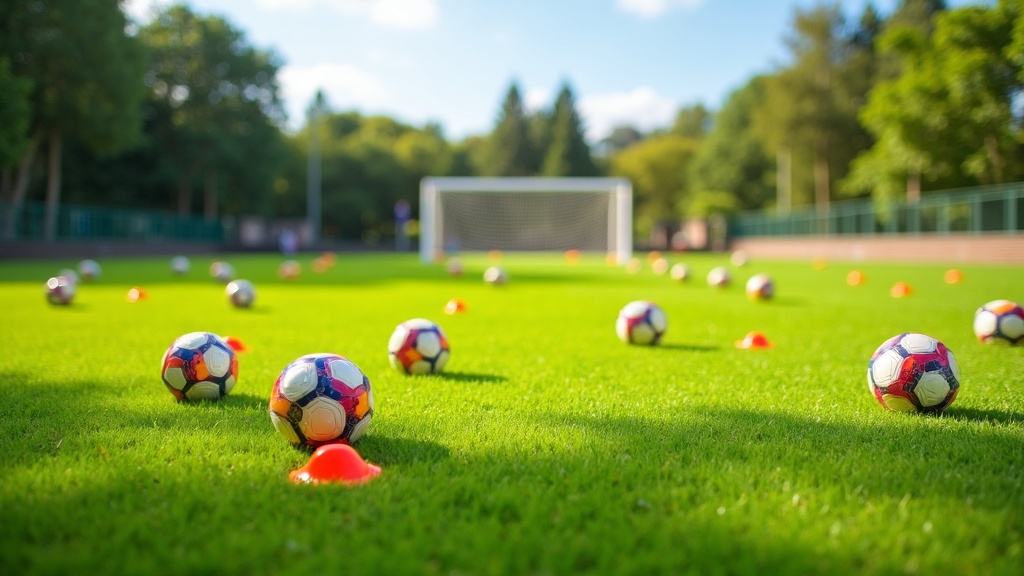
Getting Started: Setting Up for Soccer Success
Kids get the most out of soccer when they have everything they need and know what’s expected.
A little preparation goes a long way, both for safety and confidence. Here’s what usually makes a difference:
- Proper Equipment: Fitting cleats, shin-guards, comfortable socks, and the right size soccer ball help kids feel comfortable and safe on the field. Size 3 is best for younger kids, size 4 for juniors, and by the time they’re teens, they’ll probably need size 5 balls.
- Supportive Environment: Encouragement matters more than criticism. Cheering for effort, not just the result, sets a positive tone and keeps kids motivated to keep working on their skills.
Having a small, safe spot to practice at home, such as a flat piece of yard or a quiet section of a park, makes it easier for kids to squeeze in post-practice touches on the ball.
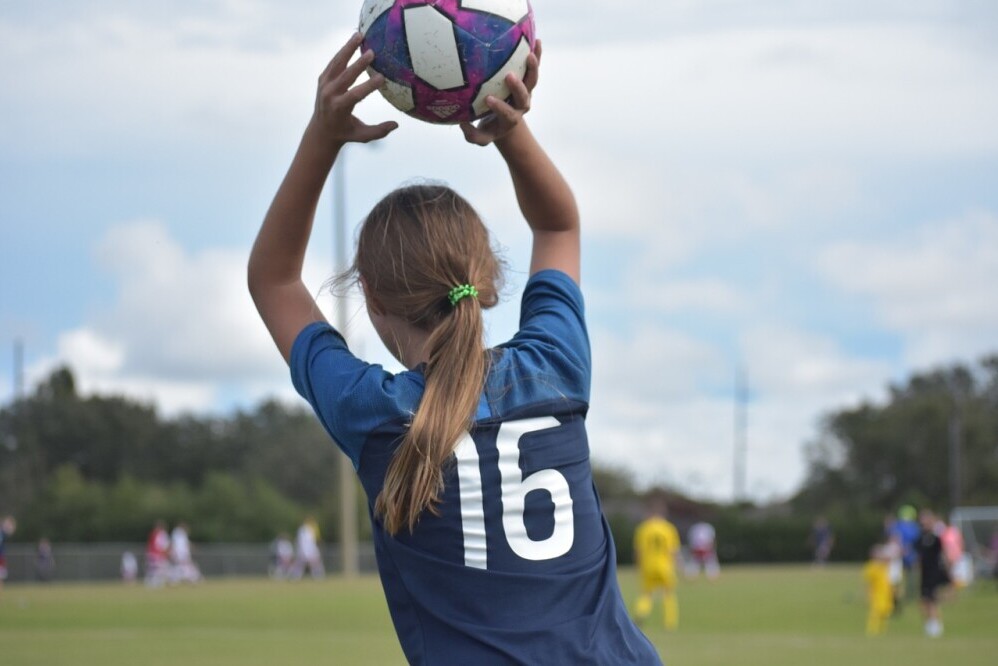
Regular practice, even if it’s just a few minutes a day, adds up fast and builds solid habits.
Soccer Fundamentals: Building Strong Foundations
Getting really good at soccer comes down to nailing the basics.
Most coaches, myself included, watch for how well kids handle these core skills:
- Dribbling: Kids who move the ball with small, controlled touches become more comfortable and creative on the field. Simple obstacle courses using cones at home or park benches at a playground work great for solo dribbling practice.
- Passing: Solid passing with both feet opens up the game. Practicing passes against a wall or with a partner helps kids learn how to control the power and accuracy of their kicks.
- Shooting: Even just targeting a marked spot on a fence or a small popup goal sharpens kids’ aim. Repetition here is super important; the more shots, the more muscle memory kids build.
Sticking with the basics might feel repetitive, but mastery here sets kids up to handle whatever soccer throws at them as they move up in age and skill level.
As they make progress, these core skills become second nature and allow them to try more next level cool moves as they grow.
Practice Makes Progress: Easy Ways to Train at Home
The best improvements come from steady practice, especially if it’s fun and not just a chore.
Here are a couple ways I’ve kept things fresh with young players:
- Short, Daily Sessions: Ten minutes every day beats one long session each week. A few creative drills, like dribbling through cones or juggling, get feet moving without burning kids out.
- Watch and Imitate: Watching highlights of pro matches, then heading outside to try similar moves, keeps kids inspired and helps them link what they see with what they do.
- Progress Tracking: Logging tricks learned or counting successful passes in a row turns self-practice into a mini-game, making improvement easy to see.
Online programs like Anytime Soccer Training make it simple to follow structured routines at home, and they add a bit of variety with their huge video libraries.
Parents can join in as well, making the sessions fun and a great way to connect with their young players.
Boosting Endurance and Strength
The running in soccer adds up quickly. Stamina helps kids play their best from the first whistle to the last minute. Here’s what helps most:
- Fun Runs: Games like tag and relay races disguised as soccer drills build running fitness without feeling like a track practice. It keeps things lighthearted, so kids don’t feel like it’s just hard work.
- Cross-Training: Kids who also swim, bike, or even play basketball outside of soccer pick up extra endurance and all around athletic skills that transfer well onto the soccer pitch.
Parents can join in too.
Nothing gets kids moving like a friendly family match or an improvised obstacle course in the backyard.
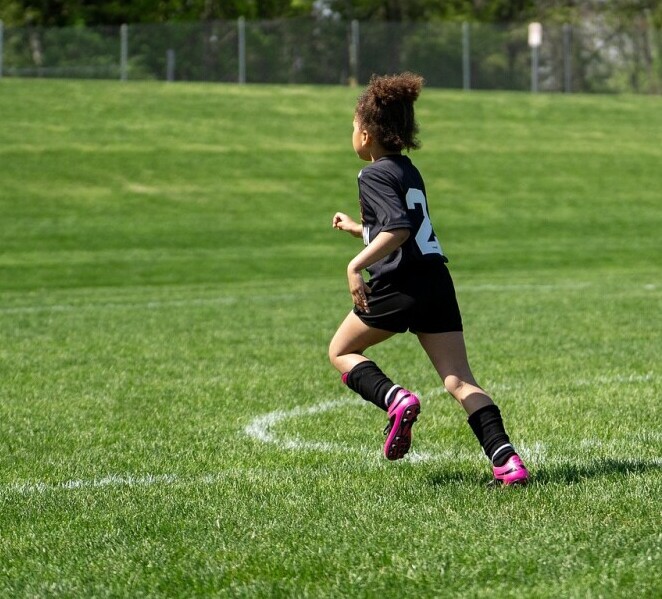
Keeping it playful, while also building strength and endurance, makes kids less likely to get tired during games and more likely to enjoy every minute they spend playing.
Building Soccer Intelligence and Tactical Awareness
Soccer isn’t all about fancy footwork.
Game smarts, like knowing when to pass, how to position your body, and where to be on the field, make a big difference as kids get older.
Here are a couple of ways I help kids start thinking about the game:
- Watching Soccer Together: Pointing out good plays on TV or at live games makes things like positioning easier to understand. I often pause during replays and ask what the defenders did right or how the attacker found space.
- Small-sided Games: Break down the game into 3v3 or 4v4 to give every player more chances to dribble, defend, and shoot. These game-like situations teach decision-making on the fly.
- Tactical Challenges: Playing “coach” for a drill—where kids come up with their own formation or strategy—puts game thinking front and center.
Soccer smarts don’t show up overnight, but steady practice, plus a chance to make decisions, helps kids learn to anticipate plays and react confidently over time.
Nurturing the Right Mindset and Attitude
Being a good soccer player takes more than skill. It takes a positive mindset. I focus on:
- Encouraging Effort: Praising hustle (even after a missed pass) teaches kids to keep going when things get tough.
- Resilience After Mistakes: Reminding kids it’s okay to mess up and that every player misses shots sometimes keeps the fun in soccer and helps kids bounce back faster the next time.
- Team Spirit: Celebrating teammates’ successes as much as their own builds a stronger, more positive team vibe.
Soccer lessons stick with kids far beyond the season.
They help kids build confidence, handle setbacks, and work with other people.
This is where the real growth happens off the field as much as on it.
Making Soccer Fun: Keeping Practice Exciting
If soccer feels like work, kids lose interest quickly. Sneaking fun into practice is super important:
- Rotation of Roles: Sometimes let a defender play up top, or put a typically quiet kid as captain for a game. Switching roles adds excitement and helps players try new things.
- Games Before Drills: Starting practice with tag or a quick round of “Sharks and Minnows” warms kids up and puts smiles on their faces for the drills coming next.
- Friendly Competitions: Setting a juggling record, counting passes without interception, or racing through a cone maze puts a playful spin on improvement.
When kids love the game, they look forward to practice and keep coming back. Progress follows naturally because soccer feels rewarding and fun.
Common Obstacles and How to Handle Them
Soccer isn’t always smooth sailing. Here’s how I help kids and parents handle a few common hiccups:
- Losing Motivation: Sometimes a break, a new drill, or a fresh soccer ball helps kids rediscover their excitement. Letting them invite friends along for pickup games can spark new interest, too.
- Shyness or Stage Fright: Building up confidence at home or with one-on-one sessions reduces pressure for nervous kids. Setting small, achievable challenges helps a lot.
- Plateaus: Progress sometimes stalls. Switching up practice routines or setting different types of goals—like trying a new trick, rather than scoring more—keeps things interesting while skills catch up.
Handling Gear Issues
Outgrown shoes and broken laces are practically a rite of passage in youth sports.
I check gear every couple of months and trade with other parents when possible.
Having backup laces and spare water bottles in the car has saved the day more than once.
It’s also helpful to teach kids how to take care of their own equipment, making them more responsible over time.
Physical and Mental Fatigue
Pushing too hard leads to burnout.
I’m always keeping an eye on signs of tiredness and reminding kids that breaks are just as important as hard work.
Soccer should add joy, not stress. Building some downtime into the schedule is essential for energy and mood.
Stepping Up: Advanced Skills and When to Add Them
Once your kid gets the basics down, it’s worth introducing a few new skills to keep things challenging:
- Juggling: Starts simply; counting consecutive touches with feet or thighs without the ball touching the ground. It boosts coordination and touch.
- First Touch Under Pressure: Practicing receiving the ball while someone applies gentle pressure gets kids ready for real game situations.
- Moves and Turns: Try teaching a stepover, scissors, or a simple Cruyff turn to add some style and surprise to their game.
At this stage, mixing in short highlight videos or pro trick compilations is a fun way to keep kids motivated to learn something new.
Offering a reward, like picking the next drill or extra free-play time, can add a little incentive to try new moves as well.
What Equipment Helps Most?
The right gear makes practice safe and productive. In my experience, kids get the most out of:
- Soccer Goals: Popup goals or small nets let kids shoot wherever there’s space.
- Training Cones: Use cones for dribbling, marking small fields, or creating mini obstacle courses. They’re flexible and perfect for quick setup drills.
- Proper Ball: A good quality ball that feels right for their age group makes practicing way more enjoyable.
- Rebounders or Wall: A sturdy rebound net or just a brick wall for passing drills builds control and quick reactions.
Other simple items, such as a stopwatch for timing sprints or chalk for marking small goals in a driveway, can also be helpful and keep things interesting at home.
Frequently Asked Questions
Here are a few questions I get a lot about helping kids develop in soccer:
How much should kids practice at home?
Bite-sized, regular practices—about 10 to 20 minutes daily—keep things fun and help skills grow faster than longer, exhausting sessions once in a while.
What skills are most important for young players?
Control, passing, and dribbling sharpen general play, but confidence and a good attitude are just as important as anything they do with the ball. Building good habits early on makes a huge difference as kids continue in the sport.
How can I help my child if I don’t have a soccer background?
You don’t need to be an expert!
Offer encouragement, set a positive tone, ask your child what they want to work on, and look for resources like online video training or local club coaches who can provide basics.
Taking part in casual practices together can make a big difference, and learning alongside your child is a great way to bond.
Endnote!!!
Kids improve at soccer step by step, not overnight.
Consistency, positivity, and a few smart routines turn frustrated beginners into confident, skillful players who love the game a little more each season.
Patience, creativity, and support go a long way on this fun, rewarding adventure—so keep the mood light, adjust as you go, and enjoy watching your child grow and shine on the field.
Happy training!! Happy soccer season!!!!
Here’s a little transparency: Our website contains Amazon affiliate links. This means if you click and make a purchase, we may receive a small commission. Don’t worry, there’s no extra cost to you. It’s a simple way you can support our mission to bring you quality content.”
I really enjoyed reading this! We’re from the UK, so it’s football for us… our son is part of his school football team. They train once a week, and we got him the full kit (he was so proud to wear it for the first time!). We also make sure to practise with him every weekend, in the garden or at the local park.
Your advice about short, regular sessions and keeping it fun really resonated with us. We’ve definitely noticed how much he improves when he’s enjoying himself rather than just “training.” The reminder to focus on encouragement and effort rather than perfection is such a good one too.
Thanks for all the great practical tips — they’ve given us some new ideas for next weekend!
Aww, that’s awesome, Jenny!
Super glad you found the post helpful, and love that you’re getting involved with your son’s football journey.
Short, fun sessions are key, right? And yes, the encouragement thing is huge – it’s all about building confidence and a love for the game.
Hope you guys have a blast practicing together next weekend.